

Here’s What Turns You Off, Based On Your Myers-Briggs® Personality Type
Have you ever turned someone off without realizing what you did wrong? In today’s article we’re looking at some of the biggest turn-offs for each of the 16 Myers-Briggs® personality types. While I’ve chosen specific turn-offs for each individual type, there are some important things to keep in mind for the specific preferences as well. Let’s take a look!
Table of contents
- What Turns Off Each Personality Preference:
- The ENFP – Rigidity
- The ENTP – Narrow-mindedness
- The INFP – Shallowness
- The INTP – Emotional Neediness
- The ENFJ – Cruelty Disguised as Honesty
- The ENTJ – Lack of initiative
- The INFJ – Jumping to Conclusions
- The INTJ – Forced Small Talk
- The ESFP – People Who Think They’ve Got Them All Figured Out
- The ESTP – Rambling
- The ISFP – Finishing Their Sentences
- The ISTP – Being Managed
- The ESFJ – People Who Constantly Cancel
- The ESTJ – Complainers
- The ISFJ – Lateness
- The ISTJ – Sloppyness
- What Are Your Thoughts?
Estimated reading time: 15 minutes

Not sure what your personality type is? Take our new personality questionnaire here. Or you can take the official MBTI® here.
What Turns Off Each Personality Preference:
Extroverts (Exxx Personality Types):
Extroverts are turned off by signs that you don’t have a lot going on in your life. If you want to be attractive to extroverted personalities, go out and live a little! Consume new information, try new things, and come back with stories to tell. They also tend to get turned off by secretiveness, passive-aggression, or being judged for their more talkative ways.
Introverts (Ixxx Personality Types):
Introverts might be quieter than your typical person, but they still have things they want to say. They get turned off by people who talk over them, interrupt them, make assumptions about them, or who can’t honor their alone time. For the introvert, a lack of a rich inner world is also a turn-off.
Sensing (xSxx Personality Types):
Sensors are turned off by people who are “armchair experts” or who seem to have their heads in the clouds. They pride themselves on being down to earth and grounded, so people who can’t seem to face facts or who focus on a lot of irrelevant data that has no practical purpose can annoy them.
Intuitive (xNxx Personality Types):
Intuitive types are turned off by people who can’t think beyond the present moment or see beyond surface-level details. They are driven by their imagination and sense of potential and enjoy exploring possibilities with others. They get annoyed by people who seem shallow or overly fixated on the day-to-day.
Thinking (xxTx Personality Types):
Thinking types are turned off by people who are emotionally over-reactive or needy. They focus on staying objective and logical, so when people make emotion-based decisions or fly off the handle about small things, it turns them off. They also don’t enjoy dealing with people who seem incompetent and need a lot of help or hand-holding.
Feeling (xxFx Personality Types):
Feeling types are turned off by people who are cold or unyielding in their communication style. They prize harmony and cooperation in their relationships and can be turned off by someone who is always critical or who seems to enjoy debating without being conscientious. They also can be turned off by people who are emotionally distant or seem like they’re not interested in building a connection.
Perceiving (xxxP Personality Types):
Perceiving types are turned off by people who are very rigid or controlling. They dislike being told what to do or having things done in a certain way without some room for personal variation. When they’re with someone, perceiving types enjoy feeling like it’s their choice and don’t appreciate when people tell them what to think or how to feel. They especially hate being rushed into a decision or pressured into a commitment before they’re ready.
Judging (xxxJ Personality Types):
Judging types are turned off by people who lack a strong work ethic or who shirk off responsibilities. They want someone dependable in their lives, someone who will say what they mean and do what they say. Being on time and having a plan is crucial for types with a Judging preference. If they’re left hanging or dealing with a lot of wishy-washy behavior, they will feel stressed and annoyed.
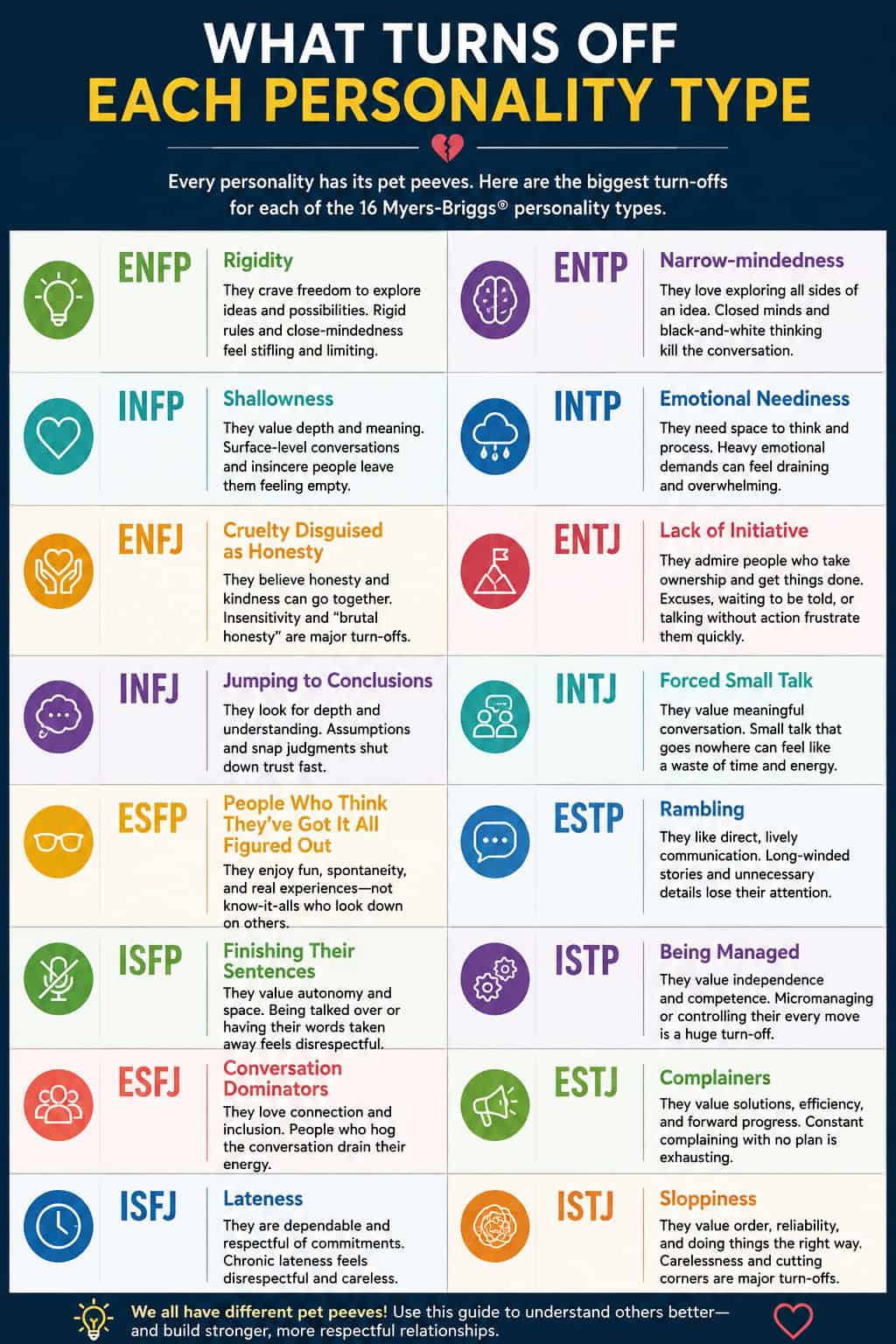
The ENFP – Rigidity

ENFPs prefer to understand the world through a series of possibilities. They are on a constant quest for new ideas, experiences, and understandings. They often see all of the potential in things, rather than the surface-level details.
ENFPs usually don’t mind rules that have a purpose. What wears them down are people who assume there’s only one right way to do everything. They naturally see alternatives, so being shut down with “because that’s how it’s always been done” can feel less like structure and more like someone closing all the windows in the room. It makes them feel trapped and restless.
Read This Next: A Look at the ENFP Leader
The ENTP – Narrow-mindedness
ENTPs enjoy having their minds active and are constantly exploring new possibilities. They love debating ideas, considering all angles, and testing theories. They dislike anything that limits their thinking or restricts their freedom of expression.
Narrow-mindedness is the ENTP’s biggest turn-off. When someone is unwilling to consider different viewpoints or alternative explanations, they feel annoyed and perplexed.
The INFP – Shallowness
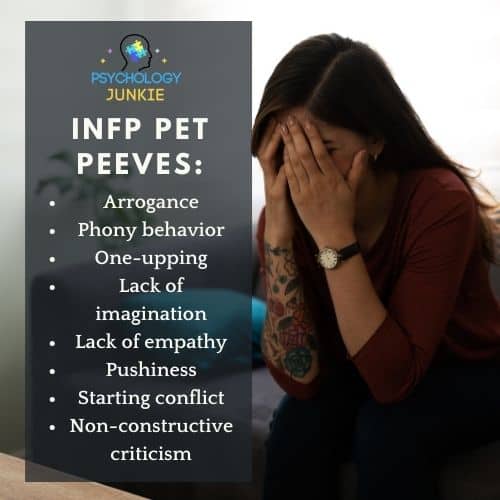
INFPs are naturally drawn to what feels genuine and meaningful. They’re curious about people’s values, dreams, inner struggles, and the stories that have shaped them. Whether they’re discussing a novel, a childhood memory, or a cause they care about, they’re usually searching for something beneath the surface.
That’s why shallowness can be such a turn-off. Conversations that revolve entirely around appearances, status, gossip, or material success leave them feeling disconnected. It’s not that INFPs expect every interaction to be profound, but they appreciate people who are willing to be real. When someone hides behind appearances or never ventures beyond surface-level conversation, an INFP may struggle to feel much of a connection.
Read This Next: Dealing with Emotional Overwhelm as an INFP
The INTP – Emotional Neediness
INTPs love exploring ideas, asking questions, and trying to understand how things fit together. Their minds are almost always occupied with theories, observations, or problems they’re untangling mentally. Because so much of their energy is directed inward, uninterrupted time to think is how they recharge and make sense of the world.
That’s why emotional neediness can feel overwhelming. INTPs generally don’t mind supporting the people they care about, but they quickly become drained by relationships that require constant reassurance, emotional caretaking, or frequent crises. When they’re expected to drop everything to manage someone else’s feelings, they often feel like they can’t catch their breath or gather their own thoughts.
Contrary to stereotypes, INTPs do care about people. They’ll go to great lengths to help solve a problem or offer thoughtful advice. What they struggle with is emotional intensity that leaves little room for reflection. They tend to feel most connected in relationships where both people can express their feelings honestly while also giving each other the space to think, process, and return to the conversation with clarity.
Read This Next: 21 Hobbies That INTPs Love
The ENFJ – Cruelty Disguised as Honesty
Some people pride themselves on being “brutally honest,” but for ENFJs the truth rarely needs to be delivered harshly. Usually people who pride themselves on “saying it like it is” are just looking for an opportunity to feel superior to someone else, and ENFJs know this.
ENFJs believe that honesty and kindness can exist together. They don’t expect people to sugarcoat the truth, but they do believe there’s a difference between helping someone grow and making them feel small. They naturally pay attention to how words land, so communication that is needlessly cutting tends to stand out immediately.
ENFJs have little patience for people who use honesty as an excuse to be insensitive, sarcastic, or cruel. To them, comments like “I’m just telling it like it is” can sound less like integrity and more like someone avoiding responsibility for the impact of their words.
This doesn’t mean ENFJs want constant reassurance or empty politeness. Most appreciate direct feedback when it’s given with respect and a genuine desire to help. What they struggle with is communication that seems designed to win, wound, or establish superiority rather than build understanding. When honesty is paired with empathy, they’re usually all ears. When it’s used as a weapon, they tend to lose trust quickly.
The ENTJ – Lack of initiative
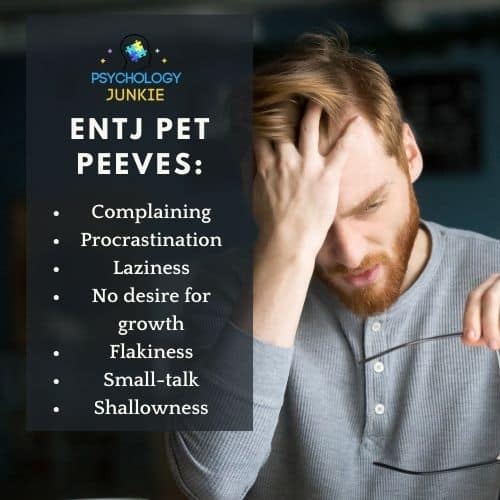
ENTJs naturally look for opportunities to move things forward. They like a challenge and are quick to step into the arena to get things done. When they see a problem, their first instinct is usually to ask, “What’s the next step?” They admire people who take ownership, make decisions, and are willing to try, even if the outcome isn’t perfect.
That’s why a lack of initiative is such a turn-off. Someone who constantly waits for permission, makes excuses, or talks endlessly about what they could do without ever taking action can quickly lose an ENTJ’s respect. To them, progress usually comes from acting, learning, adjusting, and acting again.
This doesn’t mean ENTJs expect everyone to be endlessly ambitious or productive. They understand that people get tired, overwhelmed, or need time to think. What they struggle with is a pattern of passivity, where someone repeatedly hands responsibility to other people or refuses to take ownership of their own situation. Even small acts of initiative—asking questions, making a plan, or taking the first step—often earn far more respect from an ENTJ than waiting for perfect conditions.
The INFJ – Jumping to Conclusions
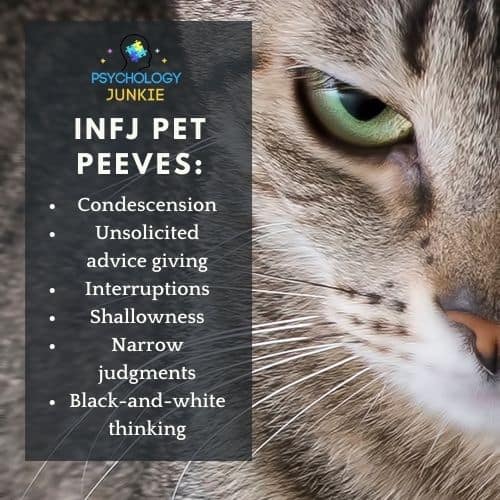
INFJs are all about reading the deeper patterns going on in someone’s life. They take a lot of time to analyze and consider the feelings and perspectives of others as well as the unique stories they bring to the table. They need time to contemplate and conceptualize before they jump into judgments or evaluations of people.
Jumping to conclusions is a turn-off for INFJs because it goes against their more reflective, analytical way of perceiving things. When someone makes a hasty judgment without giving others a chance to explain themselves, it frustrates them, especially if the judgments are being made about their own intentions and motivations.
Read This Next: Honoring Your Inner Child as an INFJ
The INTJ – Forced Small Talk
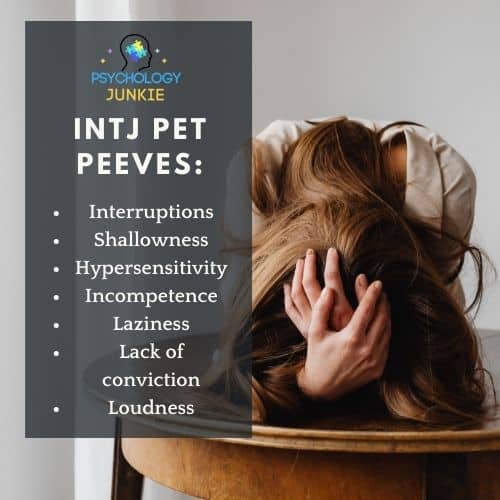
INTJs enjoy conversations that leave them thinking long after they’ve ended. They’re naturally drawn to ideas, patterns, and personal interpretations and perspectives. They don’t necessarily need every discussion to be intellectual; they just want interactions that feel authentic instead of automatic.
That’s why forced small talk can be such a turn-off. Conversations that seem to exist only to fill silence or follow social convention often leave INTJs feeling restless. They’d usually rather enjoy a comfortable silence than exchange words that neither person really cares about.
This doesn’t mean INTJs dislike casual conversation or aren’t interested in other people. In fact, they often enjoy learning what really excites someone. What they struggle with is conversation that never moves beyond safe scripts or surface-level pleasantries. When people are willing to be curious, honest, or a little unconventional, INTJs tend to come alive.
Read This Next: The INTJ and the 5 Love Languages
The ESFP – People Who Think They’ve Got Them All Figured Out
In my experience ESFPs are usually more complex than people expect. They’re expressive, approachable, and usually comfortable showing emotion, which can lead people to assume everything about them is out in the open. In reality, they often have deeply personal values, dreams, and convictions that they share only with people they trust.
That’s why it’s such a turn-off when someone thinks they’ve already got them figured out. Assumptions that they’re shallow, impulsive, or only interested in having a good time can feel extremely dismissive. ESFPs enjoy living in the moment, but that doesn’t mean they live without depth. Often they show their enthusiastic, funny, or adventurous side, but their deeper feelings are more guarded. Those they share only with the select few who have earned their trust.
The ESTP – Rambling
Not all ESTPs are action-loving adrenaline junkies, but they do tend to be quick-witted with an eye for details. This type loves seeing how situations play out and seizing various opportunities as they arise (even if that means taking some risks). They hate sitting through long periods of small talk or rambling that doesn’t lead to any particular action or experience.
The ISFP – Finishing Their Sentences

ISFPs tend to take their time when they’re speaking. They’re usually trying to find the words that best match what they’re actually thinking or feeling, and that process doesn’t always happen at lightning speed. They’d rather pause for a moment than say something that doesn’t quite fit.
For a type that values authenticity, the assumption that you know what they’re going to say is grating. ISFPs appreciate people who listen with curiosity instead of rushing to conclusions or waiting for their turn to speak. Give them the space to finish their thoughts, and you’ll often discover there’s much more depth there than first meets the eye.Read This Next: 10 Things You Should Never Say to an ISFP
The ISTP – Being Managed
“Don’t tread on me” is a phrase that most ISTPs will hold dear in life. They want to be their own boss, make their own rules, and chart their own course. They loathe being micromanaged or told what to do, especially by people who haven’t earned their trust.
ISTPs crave freedom and independence, so if someone is trying to assert control in their life, they better have a good reason and they should do so while being open to the ISTP’s own opinions and perspectives.
Read This Next: What ISTPs Do When They’re Really Stressed Out
The ESFJ – People Who Constantly Cancel
ESFJs put a lot of thought into the people they care about. If they’ve invited you over, planned an outing, or set aside time to see you, there’s a good chance they’ve already imagined it, prepared the meal, or rearranged their schedule to make it happen. Spending time together with their friends is one of their favorite ways to spend time.
That’s why people who constantly cancel can be such a turn-off. Life happens, and ESFJs understand that. Everyone gets sick, has emergencies, or occasionally needs to change plans. And even an ESFJ can occasionally enjoy an unexpected night of alone time. What wears them down is a pattern of backing out at the last minute or treating commitments as optional. After a while, it can start to feel like the relationship matters more to them than it does to the other person. Like they’re the only one who is truly invested.
The ESTJ – Complainers
ESTJs are doers, not complainers. They take action and get things done, finding solutions to problems instead of dwelling on them. So it’s no surprise that they don’t have much patience for people who continuously whine and moan about their lives without ever trying to make a change.
ESTJs want to see people be proactive and put in the effort to achieve their dreams instead of blubbering about them.
The ISFJ – Lateness
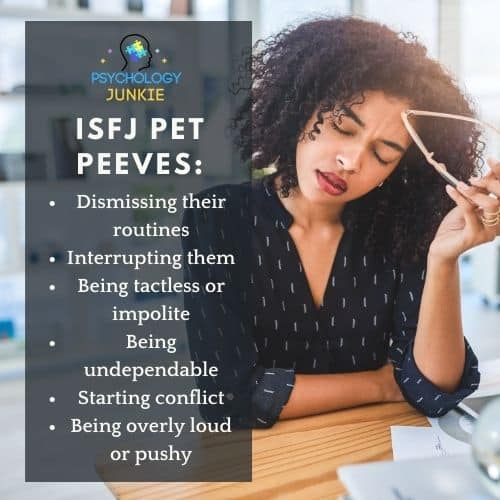
If an ISFJ tells you they’ll be somewhere at three, they’ve probably planned their whole day around being there at three. Following through on commitments isn’t just about being organized. It’s one of the ways they show respect and care for the people in their lives.
An occasional delay is no big deal. ISFJs know that life happens, and the unexpected traffic jam/lost keys/missed sign is totally relatable. What wears on them is a pattern of showing up late, canceling at the last minute, or acting as though other people’s schedules don’t matter. After a while, it can start to feel less like poor time management and more like a lack of consideration.
ISFJs aren’t usually looking for perfection. They appreciate honesty far more than excuses. A quick message, a sincere apology, or simply making an effort to be dependable tells them that the relationship matters. For many ISFJs, that’s what they’re really paying attention to.
Read This Next: 5 Tricks to Succeeding in Your Career as an ISFJ
The ISTJ – Sloppyness
ISTJs respect people who take pride in doing things well. Whether it’s keeping a promise, double-checking their work, or just putting things back where they belong, they like people who are dependable and pay attention to the details. To them, those everyday habits say something about a person’s character. Repeatedly overlooking important details, leaving a trail of unfinished work, or treating mistakes as though they don’t matter can make an ISTJ lose confidence fairly quickly. They want to know that someone takes responsibility for the things they’ve agreed to do.
This doesn’t mean ISTJs expect everyone to organize life the way they do. They know people have different strengths and priorities. What they struggle with is a pattern of carelessness that creates unnecessary problems for everyone else. People who take ownership of their mistakes, make an effort to improve, and follow through on their commitments usually earn an ISTJ’s respect, even if they aren’t perfect.
What Are Your Thoughts?
Did you enjoy this article? Let us (and other readers) know your opinions and perspectives in the comments!
Find out more about your personality type in our eBooks, Discovering You: Unlocking the Power of Personality Type, The INFJ – Understanding the Mystic, The ISFJ – Understanding the Protector, and The INFP – Understanding the Dreamer. You can also connect with me via Facebook, Instagram, or YouTube!









ESFJ here 😊
I feel an extreme conversation dominator would surely be pretty awkward, but… Is there anyone else among Fe doms who think the biggest turn-offs are:
“bragging about one’s disproportionate reactions” and “being Little Miss/Mister Perfect”?
ISFP here: boy, did you get this one right! I was in a situation last night that really pushed my buttons, and now I understand why. I am sitting here laughing at myself, and considering how to handle it next time. Thanks for brightening my day.
I’m an INTP but I relate more to the other types’ annoyances – namely being controlled, harshness, rigidity, jumping to conclusions and forced small talk. Also I wonder if what some perceive as laziness or procrastination is actually a need to research and plan things out before jumping in with both feet(?) In that vein I might conclude that my biggest pet peeve is being rushed, or alternately, impatience.