
What Each Enneagram Type Would Do During a Zombie Apocalypse
I’ve thought about the zombie apocalypse more times than I’ve thought about retirement, which is probably a red flag but also probably just… easier? I mean, retirement requires money. A zombie apocalypse just requires an exit strategy and, ideally, a crowbar. Or a katana. (Though I’m the kind of person who would absolutely impale myself trying to “look cool” with a katana and bleed out behind a Walgreens.)
It probably doesn’t help that I’ve been bingeing “All of Us Are Dead” with my 19-year-old daughter.
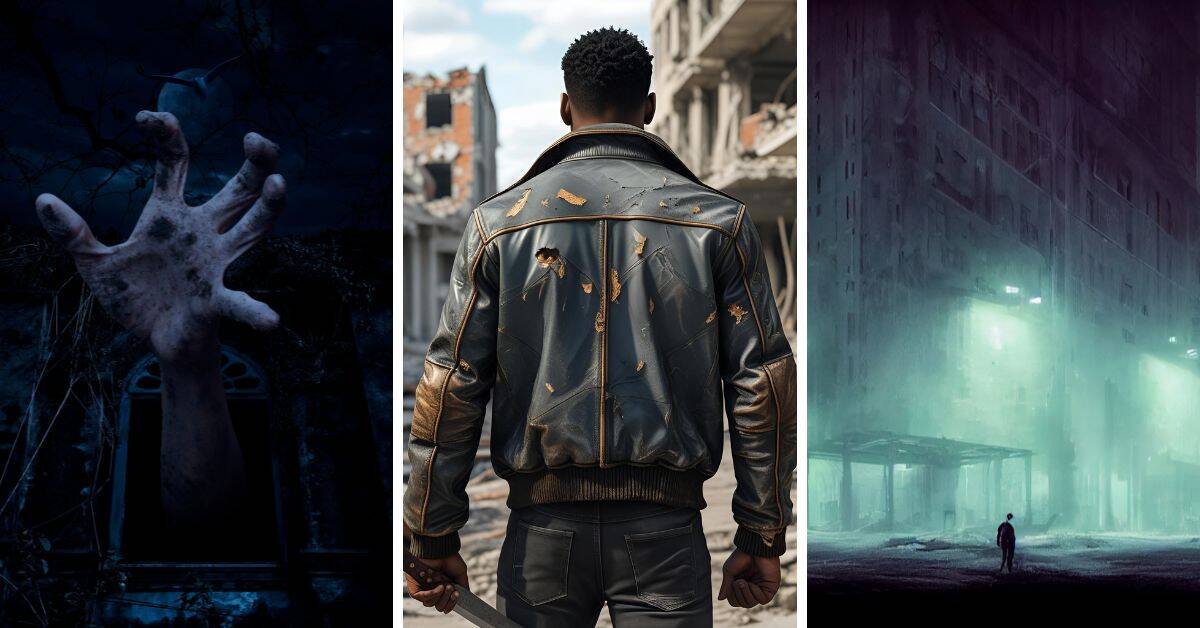
But the thing is, I know what I’d do in a zombie apocalypse. I’ve run the scenarios. I’ve emotionally made peace with certain inevitable betrayals. I’ve decided who I’d save (my kids), who I’d let die (certain current political leaders), and where I’d walk to first.
And once you’ve done that kind of mental prep, you start to wonder:
How would the Enneagram types handle this?
And the answer is: Badly. But each in their own unique, totally-their-own way.
Not sure what your personality type is? Take our Enneagram questionnaire here!
Enneagram 1
You’d think the end of the world would relax a One. Nope. They see the zombie apocalypse as a reset button — finally, a chance to rebuild society the right way. Morals. Checklists. Composting toilets.
While everyone else is panic-looting Funyuns and ibuprofen, the One is taping up a handwritten sign in an abandoned Starbucks that says,
“No stealing. No hoarding. Log all rations. Wash your damn hands.”
Meanwhile, I’d already be dead because I drank pond water without boiling it and then cried too loud near the fence line.
The One, though, will last six months longer than the rest of us — fueled entirely by moral indignation and the deep, furious conviction that someone has to care about basic sanitation.
Enneagram 2
The Two immediately becomes camp mom. They’re handing out snacks, tending wounds, and offering emotional support to people they met six minutes ago. Someone cries once and the Two is already building them a private shelter out of scrap wood. They haven’t slept in four days but insist they’re “just happy to help.”
Eventually, the cracks show. Someone forgets to say thank you. Someone else takes the last protein bar without asking. The Two smiles, nods, and quietly writes “JEREMY IS SELFISH” on the side of the tent in permanent marker. They stop asking if anyone needs help and just start muttering things like “No no, I’ll do it, like always” while aggressively cleaning a machete.
They don’t die from zombies. They die shielding someone who doesn’t remember their name. Their final words are, “It’s okay, I wanted to.”
Enneagram 3
The Three saw society collapse and immediately pivoted. They changed outfits. Rebranded. Built a makeshift gym out of old tires and water jugs. Started holding 6 a.m. team huddles where they used words like innovation and mission alignment while everyone else tried to choke down cold beans. The camp hates them. Also, the camp wouldn’t exist without them.
They are somehow always clean. Their hair? Fine. Their teeth? Brushed. Their clothes? Still fitted. No one’s sure how. You suspect they’re using wet wipes made from linen shirts they scavenged at Banana Republic. Every time someone cries, they say things like, “Turn that grief into ACTION,” and then hand you a shovel like that was supposed to help.
They die trying to retrieve a solar charger they hid in a Walgreens ceiling tile three weeks ago because they needed it to finish editing their video diary.
Enneagram 4
The Four doesn’t panic when the apocalypse starts. They just kind of shrug. Of course the world’s ending. Why wouldn’t it be? They’ve been emotionally rehearsing for this since age thirteen, right after reading a Sylvia Plath quote out of context and realizing nobody else felt things with the same vivid intensity. Zombies? Honestly, less terrifying than most social interactions.
They stay alive through a combination of avoidance, intuition, and sheer spite. They’ll help out at camp, but only if they don’t have to make eye contact or answer questions like, “How are you holding up?” (The answer is “not well.”) They’re the person sitting by the fire eating cold canned ravioli and thinking, “I don’t think I miss society. I just miss what it could have been.”
If I found them out there, I’d sit with them. Not because I’d know what to say, but because I’d also be trying to make sense of the fact that I cried over a pigeon yesterday. The Four wouldn’t go out screaming. They’d leave in the middle of the night wearing three layered scarves and a look of quiet disappointment.
Their last entry?
“Everyone became zombies and I still felt like the weird one.”
Also: a grocery list where “courage” is written between “lentils” and “batteries.”
Enneagram 5
The Five didn’t want to join a group, but a bunch of panicking survivors found them surrounded by medical supplies, wiring solar panels out of an old calculator and a ceiling fan, and went, “Yeah. That one.” So now they’re the medic. The planner. The only one who knows how to stitch up a zombie bite and build a water filtration system out of charcoal and despair.
They never asked for this role. They also never complain. They just stare blankly while someone bleeds on their notebook and say things like, “I said apply pressure. That doesn’t mean flail.” No one knows how they’re still functioning. No one wants to ask.
They will survive 100% out of practicality. They feel nothing. Except mild contempt for your presence and lack of planning.
Enneagram 6
The Six survives the longest because they never trusted anything in the first place. The news? Lies. The sirens? Decoys. The government evacuation buses? Obviously a trap. They had a bug-out bag under their bed for ten years. They wrote the neighborhood escape plan. In color-coded ink. Laminated.
They’re the only one in the group who saw the early signs and said, “We should probably fortify the windows.” Everyone else thought they were being paranoid. Now everyone else is dead. The Six is still suspicious—but alive.
They build community, but with rules. Trust is earned, not assumed. Every night they check the perimeter, even if it’s raining or they’re running a 102-degree fever. They’re exhausted, anxious, and hypervigilant.
But they’re also the reason anyone’s still breathing.
Their downfall? Probably dehydration. Because they ran out of bottled water, didn’t trust the filter, and were too tired to argue with themselves about it again.
Enneagram 7
The Seven doesn’t mean to become a legend. They were just trying to keep things light. The world ended, and they showed up with Pop Rocks, a slingshot, and a joke about how maybe now we can finally stop pretending we like networking events.
They’re the one who makes you laugh even when your toenail is falling off and someone’s rationing baked beans like they’re made of gold dust. They flirt with death the way they flirt with people: effortlessly, a little too often, and with complete denial that anything bad could actually happen.
They volunteer for every dangerous job—not because they’re brave (though they are, kind of), but because the alternative is sitting still and thinking about things. Which is worse. Much worse. So they keep running supply missions and distracting zombies and trying to convince everyone to play charades.
They don’t get taken out in a blaze of glory. Not really. It’s more like: someone’s screaming, someone else is frozen, and the Seven just reacts. They run. They help. They get there first. And then they don’t come back.
Enneagram 8
The Eight doesn’t want to lead. They just do it because no one else can be trusted not to screw it up. You say things like, “Should we make a plan?” and before you finish the sentence, they’ve already assigned roles, reinforced the perimeter, and built a spear out of a curtain rod and pure fury. You don’t vote for them. You just realize you’re following them. And it’s weirdly comforting. Also a little scary.
They yell a lot. Why? Because caring comes out sideways when your nervous system is calibrated for battle. You could be bleeding out and they’d toss you a rag and bark, “Don’t die, I’m busy,” while shoving a door shut against a horde. And then, later, when no one’s watching, you’ll find your name carved into the “people to protect” list they keep hidden in their jacket.
If they die, it’s not dramatic. It’s practical and calculated. They make the call no one else can. Sacrifice themselves because it’s the only option that keeps the rest of you breathing.
Enneagram 9
The Nine didn’t ask for any of this. Not the zombies. Not the group full of panicked people. Not the endless arguments about who gets the last instant oatmeal. They just wanted a soft blanket, a quiet corner, and maybe a non-apocalyptic Tuesday to finish their tea without the threat of being eaten.
But no. Now they’re here. Mediation hat on. Nervously laughing while two people scream about canned spaghetti-Os. Saying things like, “I see both sides,” while internally receding into a mental cave made of throw pillows and plausible deniability. Everyone thinks the Nine is chill. They’re not. They’re just disassociating.
They keep the peace because they can feel tension in their bones. Conflict is their version of a jump scare. So they step in, again and again, gently redirecting rage and grief like some kind of emotionally exhausted traffic cop with a soothing voice and a stress rash.
If they die—and honestly, they might just drift off one day and forget to come back—it breaks something. In a way that leaves a hollow space in the middle of everything. You find their journal under a pile of mismatched socks. Inside: poorly drawn cartoons of everyone, a list titled “Nice Things to Say If Someone Cries,” and a final note that just says,
“I hope it helped. Also, please water my plants if they’re not already dead. Thanks.”
What About You?
In the end, I don’t know who makes it. Maybe the bunker-dwelling Five. Maybe the machete-wielding Eight. Maybe the Seven who ran so fast even grief couldn’t catch them. Probably not me, let’s be honest—I’d trip over a root and get bitten while trying to rescue my favorite hoodie. But even in the middle of blood and ash and really bad instant coffee, we’re still ourselves—flawed, quirky, infuriating little echoes of who we were before the world cracked open. Still trying to matter. Still trying to connect. Still trying to get out of doing the dishes.
How do you think you’d fare? Let us and other readers know in the comments!









As a type two I feel out raged by this post….and so called out 🤣🤣🤣
I’m a 5w6 So/Sx 584 ENTP. I laugh at the stereotype, but I actually seek out communities where I can be of assistance. I believe in cooperatives. I like the notion of evenly distributing the load as much as possible while also insuring survival.