
The Myers-Briggs® Personality Types of the Stray Kids Members
I started looking into Stray Kids’ personality types and ended up with enough interview notes to make this feel like a second job. Somewhere between Hyunjin’s carefully chosen trash can, Han’s abandoned hobbies, and Lee Know’s commitment to ruining everyone’s belief in Santa, I became invested.
What drew me in was how much the members reveal about each other. Someone can look intimidating onstage and be afraid of ants. Someone else can tease you relentlessly and still be the first person you call when life gets difficult. Those details make personality typing interesting, especially when we look at the reasons behind the behavior.

As an MBTI® practitioner, I wanted to go beyond matching the loudest member with an E or the most emotional member with an F. I looked at their interviews, creative processes, and descriptions of one another to understand how they take in information and make decisions.
These are my best interpretations, with room for disagreement. I haven’t personally profiled any of the members, and a camera gives us only part of a person. Han alone had me going back and forth between ENTP and ENFP for quite a while. So let’s look at the quotes, the patterns, and the eight personalities that sent me down this particular rabbit hole.
Not sure what your personality type is? Take our new personality questionnaire here. Or you can take the official MBTI® here.
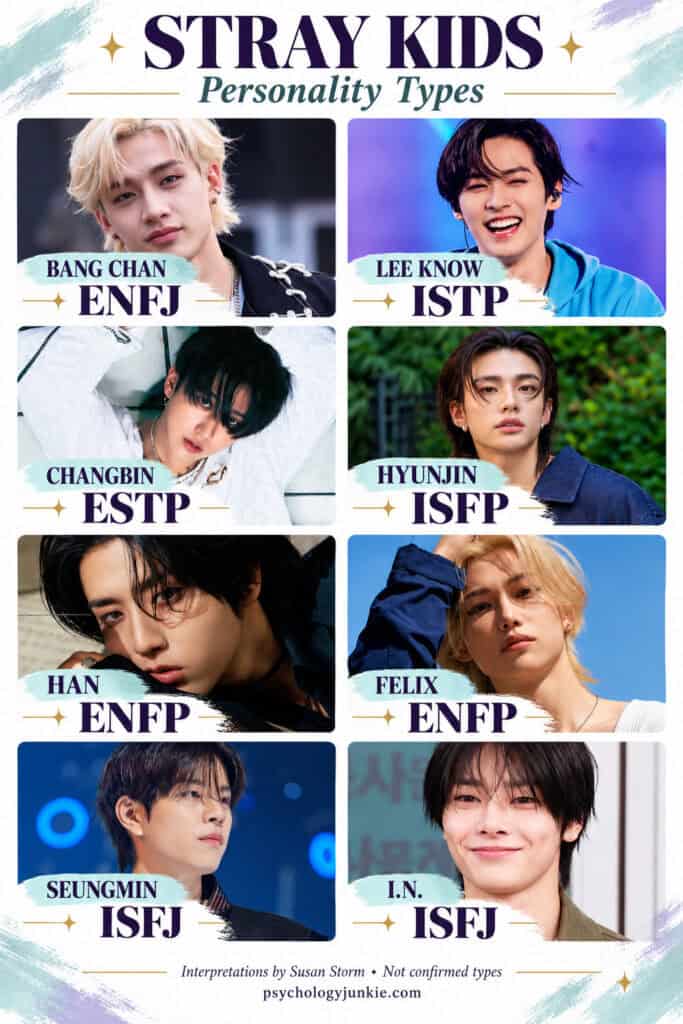
Table of contents
Hyunjin: ISFP
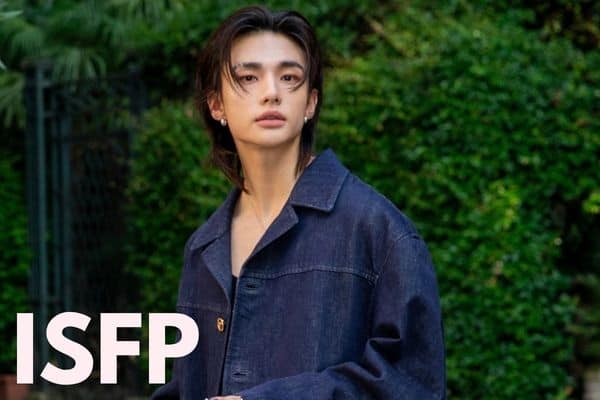
Why ISFP? Four patterns stand out in how Hyunjin and his members describe him:
- I — Introversion: He enjoys his people, but being around others takes energy. As Bang Chan puts it, “Among us, he’s the type who usually gets tired when he’s with others.”
- S — Sensing: His descriptions linger on the richness of an actual experience: color, sound, smell, style, and atmosphere. “I get so excited whenever I go to a place with beautiful colors. I get really happy. It makes me feel like I’m on cloud nine. It’s so beautiful that I just don’t know what to do because what I see is so beautiful.”
- F — Feeling: Personal meaning and sincerity show up strongly in how he describes himself. “Since I’m true to my feelings, my entire feelings pour out.” His emotional openness supports that picture.
- P — Perceiving: He likes room to respond to what interests him now. “Even if I plan something I want to do something else the next day so I’m quite spontaneous. If I want to do something, I just do it.”
Hyunjin immediately seems like someone who is deeply in touch with his surroundings, with beauty, and with his physical impulses. He’s the kind of person who might book a flight to see the ocean because he woke up wanting to. He’s also the kind of person who needs to personally buy a specific trash can that takes three weeks to arrive because the trans can is décor after all.
My best reading of Hyunjin is ISFP. What stands out first is how personally he experiences things. In One Kid’s Room, he explains:
“When I talk to my friends about my feelings, I get really immersed in my own story. I get all fired up inside and then get shattered completely. I think that’s my personality.”
He describes a similar immersion when watching dramas:
“When I watch drama series, I wonder, ‘What if I were really like that person? What if I were the male or female lead character?’ I would think like that and cry as I watched the series.”
This is consistent with Introverted Feeling, the ISFP’s leading process. Fi (Introverted Feeling) is all about personal values, emotional significance, and whether something feels true to your own experience. When you’re an introverted feeling type you put yourself in another person’s shoes, imagining what you would feel like if you were them. You don’t absorb their feelings and lose yourself, changing who you are, though. You still stay fully and truly you. But you imagine your personal mind, heart, and body in another’s world. Hyunjin repeatedly does this when he watches dramas and animes.
Hyunjin’s attention to his inner world gives us a lot to work with. The members describe him as the most obvious Feeling type, and frequently mention his emotional authenticity and sincerity.
“If I cry once, I keep crying, and if I laugh once, I keep laughing. I usually have so many thoughts to the point my mind gets complicated, and if even one of them falls apart, I get emotional. I think about myself a lot.”
In W Korea, he describes his creative work as something that belongs to him in a world where much does not. Music carries public expectations; painting gives him a more private, unrestricted space. When your face, schedule, and casual remarks become public property, having a canvas where you decide what matters must become understandably valuable.
Hyunjin’s sensitivity has a physical side, too. His description of beautiful places in One Kid’s Room shows a love for sensory detail:
“I get so excited whenever I go to a place with beautiful colors. I get really happy. It makes me feel like I’m on cloud nine. It’s so beautiful that I just don’t know what to do because what I see is so beautiful. I want to store it somehow, but pictures never capture it. It doesn’t look the same on video either, or in my drawings. So, I can’t take my eyes off what I see. Whenever I go to aesthetic places, I feel a bit regretful. I want to plant a hard drive in my head and just record so that later, I can click something and have it show me the scenes, smells, sound, and show it all at once later.”
This fits Extraverted Sensing, the ISFP’s second process: attention drawn into an experience in all its immediate richness. He wants the actual view, with its colors and atmosphere, rather than an approximation saved on his phone.
This function also shows up in how readily he acts:
“Even if I plan something I want to do something else the next day so I’m quite spontaneous. If I want to do something, I just do it. Recently I flew to Jeju Island alone. Since I had the day off I thought, ‘Should I just go do this?’ So, I just booked a flight, took a taxi, and went to see the beach, and came back all on my own.”
The trash-can story adds another layer. In One Kid’s Room, Changbin mentioned wanting to order a trash can online, but Hyunjin wanted to choose it himself. When it still hadn’t arrived, Hyunjin explained that it would take about three weeks. As Changbin put it:
“To him, a trash can is part of the interior design. The trash can itself is décor.”
Apparently, rubbish disposal needed an artistic direction. I can appreciate that.
His changing preferences coexist with considerable persistence. Bang Chan observes:
“Ever since he was a trainee, he’s still got that fire inside of him. There’s also his passion for drawing. And he’s passionate towards vocal elements.”
ISFPs love to master the aesthetic experience. Whether it’s art, décor, fashion, or even cooking, mastery and beauty in the real world sustains them. They tend to put their all into their physical efforts; be it singing, dancing, sportsmanship, or performance. Jungkook from BTS, another ISFP, also has this same tendency.
In relationships, Hyunjin seems to value steadiness partly because he knows how changeable he can feel:
“I like people who don’t change. Because I’m not like that. After that is someone who has a lot to learn from. After that is someone who empathizes well.”
He also stated,
“I may change a lot but my passion stays constant.”
ISFPs are often flexible, taking up interests and dropping them if their heart doesn’t stay engaged. This tends to make them jacks’ of all trades, with a wide variety of random skills. However, even if they change interests or hobbies, their passion and inner drive never goes away, barring of course if an ISFP is dealing with mental health issues or trauma of some kind.
Overall, here’s the ISFP pattern I see in Hyunjin: personal feeling gives something significance, direct experience draws him in, and practice gives him more ways to work with what moves him.
Felix: ENFP
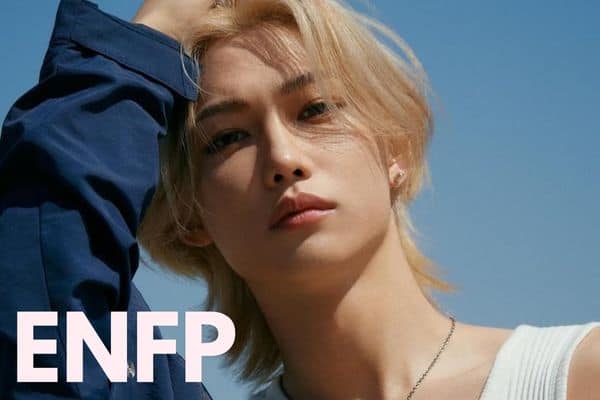
Why ENFP? These four preferences give us a useful starting point for understanding Felix:
- E — Extraversion: He readily engages with the world around him and his fellow members describe him as talkative and extroverted. “When I meet someone new I try to talk a lot with them. Whether or not I can relate with what they’re saying.”
- N — Intuition: His thoughts branch through connections, with one idea leading into another. The members describe it as “Felix draws a mind map as he talks,” adding, “I think this is how Felix thinks, connect, connect, connect… a bit infinitely” That associative style fits Extraverted Intuition, the ENFP’s tendency to spot links and follow the possibilities they open.
- F — Feeling: His account of volunteering reveals how personally meaningful helping others has become. “Being able to make someone smile, so easily and simply, I think I could do that for the rest of my life.”
- P — Perceiving: He imagines life as an unfolding adventure, with new people and experiences opening possibilities he hasn’t discovered yet. “Being able to go around the world and see interesting people I haven’t met before, I want to go that route. I want to explore more and learn more. I think I’m looking for a more fun dream in life.”
My best reading of Felix is ENFP, based on his public interviews and the members’ descriptions. His warmth is certainly noticeable, but the more interesting patterns are what happen when he encounters something unfamiliar: he asks questions, follows connections, and starts imagining where it might lead.
The members describe his conversation as a mind map, with thoughts connecting like a chain. Felix gives us a glimpse of what that feels like from the inside:
“I think a lot. I talk to myself a lot in my thoughts. I talk in my mind. Felix that’s in my mind keeps thinking about something. There are a lot of useless thoughts too.”
Apparently, even Felix has a Felix who needs someone to listen.
This fits Extraverted Intuition, the ENFP’s leading process. It explores possibilities and connections, often through conversation. A new person brings a new perspective; an unfamiliar hobby suggests another thing to try. Felix’s interests range from building keyboards to voice acting, fashion, gaming, and developing his singing.
His description of life as an adventure captures that exploratory spirit. He once compared himself to Frodo in Lord of the Rings:
“You know the Hobbit from Lord of the Rings? I think we’re the same in the fact that we’re looking for something and on the way we meet a lot of people. They even run into a dragon. Being able to go around the world and see interesting people I haven’t met before, I want to go that route. I want to explore more and learn more. I think I’m looking for a more fun dream in life.”
ENFPs everywhere will relate to what Felix is describing. They often experience life as a journey or a quest, meeting new people, discovering new possibilities, venturing off the beaten path. There are people he hasn’t met and interests he hasn’t discovered, and he seems curious about who he might become through them.
“Living in Australia was nice and peaceful but I had a feeling everyday was the same. I wanted to live a different life that was not easy to live.”
Felix didn’t want the routine, he wanted to avoid sameness. For a while, I considered ESFJ for Felix, but ESFJs have a much stronger need for stability. They often dislike change and need to know what to expect. In contrast, Felix seems to welcome change and seek out surprises and new and novel experiences that could introduce him to new ways of seeing the world.
Felix also shows a strong preference for Feeling in decision making.
“I believe the most important thing is to understand the meaning and purpose of one’s life. One must understand oneself, one’s reason for existence, and make meaning for oneself. It is through this self-understanding that one can make a life worth living.”
Hyunjin’s observation gives a complementary perspective:
“You don’t attach any special meaning to giving, you just do what your heart tells you to do and those things always turn out to be good.”
Felix seems like a deeply caring and sensitive person. I had so much fun learning about him. If a member mentions a monitor, keyboard, or birthday wish, he tends to remember. When speaking to Hyunjin, he puts his intention plainly:
“I really want to give you a lot of joy. I want to make you laugh. If just making you smile like this could give you strength, that’d be nice.”
His love of photo albums adds another dimension, and I think points to the Introverted Sensing function that ENFPs have in the inferior position. ENFPs can be eager for the next possibility and deeply attached to moments they’ve already lived. Felix remembers his parents keeping albums and likes giving memories a physical home:
“They have a certain charm. Flipping through the old paper, thinking, ‘Wow, this was so long ago.’ Memories really feel more precious when you wrap them up nicely and keep them. They just feel more special.”
Introverted Sensing brings attention to remembered experience and familiar sources of meaning. This can show up in nostalgia and revisiting specific memories and details.
Felix seems to want a life with plenty to discover and people to share it with. His own description brings those wishes together:
“I think we keep trying to fill our time with moments so good we want to remember them forever.”
Lee Know: ISTP
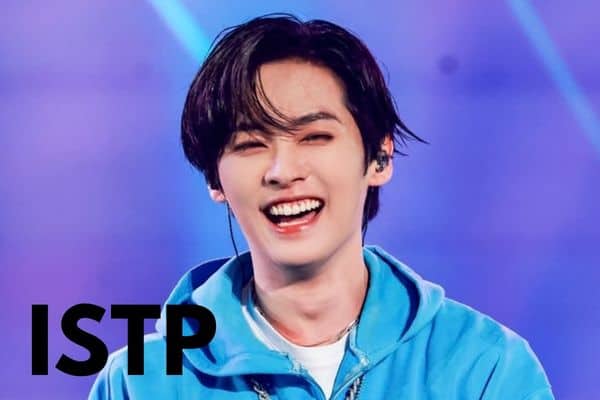
Why ISTP? These four preferences can help us find a starting point for understanding Lee Know:
- I — Introversion: He keeps a small circle and wants plenty of space to concentrate. The members say he’s definitely an introvert, and he admits he hates crowds or parties.
- S — Sensing: He readily engages with the task in front of him, learning through direct involvement. His commitment to dancing, boxing, and physical training adds context to that hands-on approach.
- T — Thinking: He’s famously detached and analytical. Hyunjin states, “He really doesn’t show his feelings.”
- P — Perceiving: He can respond flexibly when something comes up. “If someone wants to destress I’ll go to karaoke with them, or if they say ‘Hyung, wanna grab a beer tonight?’ Even at 2 AM I’d say ‘Oh sure,’ and get out of bed and just go.”
Lee Know will tell you Santa doesn’t exist and then apparently pay for everything when you hang out. Getting to know him seems to require looking past the commentary and trying to spot the motivation behind his patterns.
My best reading for him is ISTP, based on his public remarks and the members’ observations. His independence, practical mentality, and understated approach to effort make that a plausible fit. Of course, I always have to add the caveat that I’ve never met and profiled Lee Know. All I can do is analyze his publicly observable moments and that definitely leaves room for error.
However, what I notice time and time again is that he seems private and quiet (confirmed by the members) and that he seems logical and blunt. His lifestyle seems more relaxed and flexible, and he prefers it that way. His speaking style is pragmatic and down-to-earth and he doesn’t trail off into hypothetical scenarios or “what if’s.” To me, this all seems to point to ISTP.
Here are just a few examples of his personality style. He says he does his best work alone and focuses best without others around. He said, “What’s the point of working hard where everyone can see?”
Han also stated, “He just works hard at the task at hand and doesn’t let anyone know he works hard.”
ISTPs are famous for being self-directed and independent. They care less about external markers of success and care more about meeting their own standards. Self-competitive, they prefer autonomy without the noise and input of others.
Lee Know is also very blunt. I mean, just look at these quotes:
“Everyone, Santa Claus doesn’t exist. I’m here to ruin everyone’s dreams.”
Han: “Dogs and Lee Know have completely opposite vibes. Dogs are like “pet me, I love you.”
“My strength is being kind. My weakness is being kind only to cats.”
“I don’t think my image is someone who listens to people’s worries earnestly…That’s not my role, but if someone wants to destress I’ll go to karaoke with them, or if they say “Hyung, wanna grab a beer tonight? Even at 2 AM I’d say “Oh sure, and get out of bed and just go.”
That flexibility is famous among Sensing-Perceiving types. ISTPs tend to show love and concern by trying to give others a good experience. Going to karaoke, grabbing a beer, or spending money on food for them (something Know is famous for) all align with the Sensing-Perceiving style of care.
Kim Seungmin: ISFJ
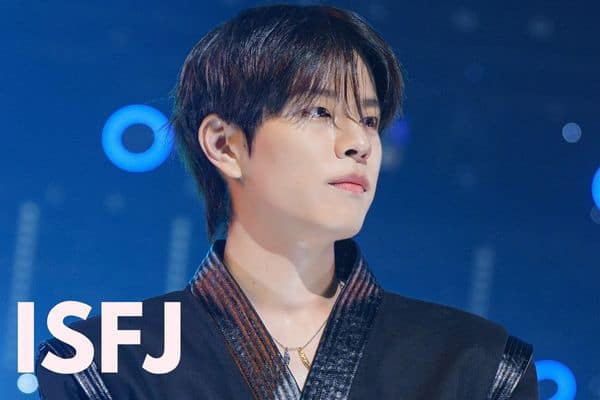
Why ISFJ? These four preferences give a starting point for understanding Seungmin:
- I — Introversion: He prefers familiar company and doesn’t feel much need to expand his circle. His fellow members say he’s an introvert and he admits he hates partying with strangers or crowds. “I think I’m able to mingle, but I’ve never thought that I need to step out to meet new people. I have friends by my side along with members next to me. Passersby are just passing by.”
- S — Sensing: He pays close attention to concrete details, from physical comfort to the conditions that affect his singing. “I’m a really sensitive person. About air conditioner temperature or food. I’m sensitive about everything in life.”
- F — Feeling: He considers how his words will affect someone. Changbin explains, “He’s not the type to be honest if it hurts the person to hear. He’s honest but doesn’t hurt your feelings.”
- J — Judging: He values consistency and a dependable routine. “Having stability is very important to me. Others may think that’s boring, but I’ve been keeping this lifestyle for years.”
Seungmin seems like someone you could trust with a serious problem and someone who you could also count on to lighten the mood or plan a well-timed prank when life gets too serious.
My best reading for him is ISFJ, based on his public interviews and the members’ observations. I haven’t met and profiled him personally, so there’s room for error. What makes the type convincing to me is the combination of stable habits, careful attention to his work, and concern for how other people feel.
His preference for stability comes up repeatedly. Bang Chan says he has his own pace, while Lee Know observes:
“In regards to his responsibilities, if he has to do something, he’s always consistent.”
“Seungmin has a good memory.”
I.N. “He prefers to keep things stable.”
That fits Introverted Sensing, the ISFJ’s leading function. In everyday terms, this means drawing on experience, noticing what has changed, and building a reliable approach around what you’ve learned. For Seungmin, a familiar routine seems to help him maintain the standards his work requires.
In his Rolling Stone UK interview, he describes making time for his diary before bed, even after an exhausting schedule. He uses it to sort through his thoughts, feelings, and what he learned that day. That habit gives us something more specific than “he’s organized”: he regularly reviews his experiences and makes sense of them.
His attention to detail also serves a practical purpose. Lee Know explains:
“He has a goal he wants to achieve so in order to achieve that he takes care of his condition, body, he’s pretty strict about that stuff.”
In W Korea, Seungmin discusses experimenting with breath depth and rhythm as his voice changes. He also explains how outdoor performances help his voice because debris from stage effects can disperse. He notices the conditions, tracks their effects, and adjusts his approach. This is consistent with the detailed, experience-based learning I’d expect from an ISFJ.
His sensitivity is especially interesting because he thinks about what to do with it:
“I think I’m careful about every single thing.”
“Whether you’re older, younger, or a friend I think you can always come to me and talk about something.” – Seungmin
Han admitted that Seungmin is the one he seeks out when he has troubles and needs to talk to someone. I.N. also reiterated, “He does his best to those close to him. He realizes when someone is struggling and reaches out first. I think I consult my problems with him first.”
That extra interpersonal consideration fits Extraverted Feeling, the ISFJ’s second function. This function pays attention to other people’s needs and the effects one’s behavior has on them. Seungmin regularly notices people’s feelings, reaches out to them, and is careful in the words he uses to help others.
Then there’s the prankster side. Bang Chan thinks he plays a prank on someone every day, and Seungmin admits that he enjoys the role. He also explains:
“I have this desire, when our filming isn’t going well, I have a desire to make it a memorable moment. I have that thing. I need to give them something. I think that’s my inner desire.”
ISFJs are really good at noticing the vibes in a room and picking up on stress and tension. They will often crack a joke, give support, or get playful in order to bring the atmosphere a bit of levity. Seungmin in turn notices when a moment needs some energy and wants to contribute something.
ISFJ makes sense to me because these patterns keep appearing together: familiar relationships, sustained effort, close observation, and tactful support. Seungmin seems to take his responsibilities seriously while giving himself enough freedom to tease the people he loves. If you need someone to listen, he’ll make room for you. If you want a lot of change and spontaneity, better to seek out a perceiver like Lee Know, Felix, or Hyunjin.
Bang Chan: ENFJ

Why ENFJ? Let’s take a look at his obvious preferences:
- E — Extraversion: He self-identifies as an extrovert and the other members also say that he’s an extrovert.
- N — Intuition: He considers where the group is heading and what present decisions could help shape its future. In W Korea, he describes repeatedly thinking about what lies ahead for the team and what he should do now.
- F — Feeling: He evaluates his work through its impact on people. “What’s the point if I am the only one who likes it, but others don’t?”
- J — Judging: He prefers organization and follow-through. Teen Vogue describes his daily scheduling habit and carefully organized music files, including folders within folders.
Bang Chan seems to experience leadership as a personal responsibility. The members’ progress, the audience’s experience, and the group’s future all become things he needs to think about. There’s warmth in that approach, along with a considerable amount of pressure that I’m sure he feels as the leader of Stray Kids.
My best reading for him is ENFJ, based on his public remarks and interviews. What makes the type plausible is his repeated attention to people’s emotional needs, combined with a desire to give the group direction.
The strongest pattern I see is Extraverted Feeling, the ENFJ’s leading function. This involves considering people’s needs, shared values, and how a decision will affect those involved. Chan frequently explains his motivation through those relationships.
Take a look at this quote:
“I try to inspire. I’m lacking a lot. I don’t think I’m best at it or if I’m doing it properly, but what is true is that you guys (Stays) really inspire me. I think it’s because you guys inspire me that I want to be more of an inspiration to you guys.”
He describes encouragement as something that moves between people. Fans give him strength, and he wants his work to return some of it.
That same motivation appears in his Rolling Stone UK interview. He explains that producing new music brings a lot of pressure but knowing that listeners gain strength from their work helps motivate him to continue. He also talks about wanting to do more for the members because of what they have given him.
This is where Feeling becomes more useful as an explanation than the general observation that he’s kind. His relationships help determine what feels worth doing. Success matters partly because it gives him more ways to contribute to people he cares about.
“I will never make you lonely I’ll walk with you at your pace”
“It’s okay to feel sad. It’s okay to cry. Just don’t forget to pick yourself back up again.”
“You’re more loved than you think. Please don’t forget that.”
“Doesn’t matter where you’re from, doesn’t matter what country you’re in, you deserve love. doesn’t matter what you are or what you choose to be, you deserve love”
In Harper’s Bazaar, Bang Chan describes revising his work according to the reactions of people who hear it. He has personal standards, but he also wants the finished result to connect with an audience. That shows a very strong leaning towards Extraverted Feeling. This function wants connection and positive feedback in order to make a decision.
Alongside that interpersonal focus, I see a possible Introverted Intuition pattern. Ni, the ENFJ’s second function, looks for underlying direction: what something could become, where events may lead, and which choices support that outcome.
Chan’s comments in W Korea connect thoughts about the team’s future with questions about what he should do in the present. He also describes sensing potential in demos and pushing forward once he feels confident about a song. That suggests an ability to develop a direction and commit to it, although experience as a producer clearly contributes as well.
His organization gives those intentions a practical structure. A group’s future depends on someone finishing the work, keeping track of the details, and making the next decision. Chan seems willing to take on that role, sometimes at a cost to his own free time.
Overall, what stands out most to me about Bang Chan is the connection between his care and his ambition. He wants to make something worthwhile, wants people to feel it, and wants the members beside him as they move forward. ENFJ fits that combination of emotional investment, shared purpose, and the determination to turn both into action.
Changbin: ESTP

Why ESTP? Let’s take a look:
- E — Extraversion: He prefers having company, even for everyday activities. “For me, it’s not important what I’m doing but who I’m doing it with.” Bang Chan also says, “He’s definitely an extrovert.” His preference for one or two companions shows that being an extravert doesn’t have to mean loving crowds.
- S — Sensing: He seems direct, attentive to details, and engaged with what is happening in front of him. Han describes him as detail-oriented, while his enjoyment of exercise and performance adds context to that practical, involved approach.
- T — Thinking: The members repeatedly describe his reasoning as logical. Lee Know says, “He makes rational judgments and expresses his opinions logically. He’s a good talker.”
- P — Perceiving: He describes himself as “a complete extreme P” and “really super unpredictable.” That supports a preference for flexibility, although his self-description alone doesn’t establish the full type.
My best reading for Changbin is ESTP, based on his interviews and the members’ observations. I haven’t profiled him personally, so this is an interpretation. His extraversion and logical approach are particularly clear in these examples.
Changbin likes having someone beside him:
“I don’t like doing things alone. For me, it’s not important what I’m doing but who I’m doing it with. I like doing things with one or two people. That’s the case with eating and exercising.”
That’s a clear example of extraversion without the crowd-loving stereotype. He wants regular interaction, preferably with people he already enjoys.
His shared activities also fit Extraverted Sensing, the ESTP’s leading function. This means engaging directly with your surroundings and responding to what is happening. In Rolling Stone UK, he describes enjoying performing the songs he helped create and trying different choreography because he likes the experience. The members describe him as detail-oriented and practical. When I watch his interviews, I see that he’s pragmatic and down-to-earth, rarely drifting off into theoretical ideas or imaginative scenarios that would be more normal for an intuitive type.
The members repeatedly describe his Thinking preference:
“He makes rational judgments and expresses his opinions logically. He’s a good talker.” — Lee Know
“He has both logic and knowledge.” — Han
These observations fit Introverted Thinking, the ESTP’s second function: examining a situation and forming a judgment that makes sense to you. Changbin gives his reasoning while acknowledging its limits:
“My judgment might be right or wrong, no one knows, but I think the members trust it.”
His logical approach doesn’t prevent him from being supportive. Hyunjin explains:
“He’s just a good listener. He’s always there. He doesn’t try to convince you or anything.”
Changbin makes his intention clear:
“I just hope that people find me comfortable so they can always come to me and share those thoughts with me.”
He may not immediately relate to every feeling, but he gives people room to talk. He says he’s not especially empathetic, but Felix mentioned that he shows he cares by working hard, being competent, and showing up. Han also compares him to a safe because he’s strong and he’ll never leak out anything shared with him in confidence.
ESTP fits Changbin’s preference for constant company, direct reasoning, and flexibility. His supportive nature is equally clear: he listens, keeps people’s confidence, and helps ease tension. As Lee Know puts it:
“He’s just a genuinely healthy person. I can trust him and always lean on him.”
I.N.: ISFJ
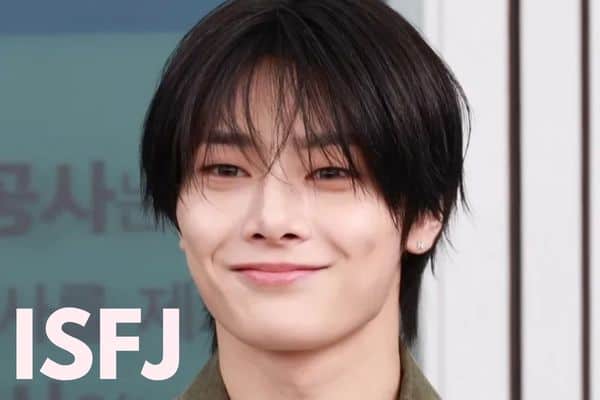
Let’s take a look at the letter preferences for an intro as to why ISFJ fits I.N.
- I — Introversion: He needs time apart from the group and the members describe him as introverted. A Teen Vogue interview describes him needing space away from the older members when stressed.
- S — Sensing: His comments often concern concrete habits and practical details, such as preparing before going out and making sure his style is appropriate. When he speaks, he focuses on concrete experiences, real details, and recounting events rather than focusing on hypothetical possibilities, abstract insights, or concepts.
- F — Feeling: He often thinks how his behavior affects others. “I don’t like getting others to feel bad so I try not to show my negative feelings.”
- J — Judging: He prefers having a clear plan before acting. “I don’t like heading out without a destination. If I say, let’s go! Then I have to go. I don’t like heading out without a place in mind.”
Profiling I.N. was fairly difficult. In interviews about himself I noticed that he tends to talk around himself rather than about his direct feelings as much. He’s good at describing the other members in One Kids’ Room and Two Kid’s Room, but doesn’t speak as openly about himself. That said, in a Maniac reaction video, he declared that he is an ISFJ and that’s the closest fit to what seems reasonable for him to me.
I.N. seems deeply caring and considerate, thinking about others and wanting to have a harmonious atmosphere. At the same time, he seems stable, consistent, and organized. He wants a clear plan and direction which supports a Sensing-Judging preference.
What stands out most is how much he considers other people’s experience. The members describe him as well-mannered and polite, saying he’s bad at saying no because he wants everyone to be happy.
He puts it directly:
“I can’t stand watching us have a hard time.”
That concern fits Extraverted Feeling, the ISFJ’s second function. In everyday terms, this means noticing people’s needs and considering the effect your choices have on them.
His reason for getting ready also concerns the impact he has on others:
“The reason why I always dress up and shave every day is because I don’t know when someone might recognize me. If I head out looking shabby, but people recognize me, and look at me, I wouldn’t want them to be disappointed.”
For I.N., getting dressed includes thinking about a possible encounter with a fan. He wants that person to have a good experience meeting him, even if it happens during an ordinary outing. That’s a fair amount of responsibility to attach to leaving the house.
His ambitions show a similar concern. In W Korea, he explains that he doesn’t need to be remembered by everyone. He wants to keep singing well and give something back to the people who support him. Again, he focuses a lot on how other people feel and his impact on their emotional experience.
There’s also a Introverted Sensing pattern. Si, the ISFJ’s leading function, draws on experience and helps maintain familiar habits and standards.
In Rolling Stone UK, I.N. explains that success shouldn’t change his hardworking attitude. Remembering where he came from and staying humble are extremely important to him. That fits an interest in preserving the standards that helped him get here.
His desire for a destination also supports the Judging side of the profile. Before heading out, he wants to know where he’s going. Once he has agreed to something, he feels committed to following through.
Overall, this is what I noticed about I.N.: attention to everyday responsibilities, concern for people’s experience, and a desire to follow through on what he has decided. His care often appears in the preparation, manners, and effort he puts into an ordinary moment. All of this points tentatively to ISFJ.
Han: ENFP
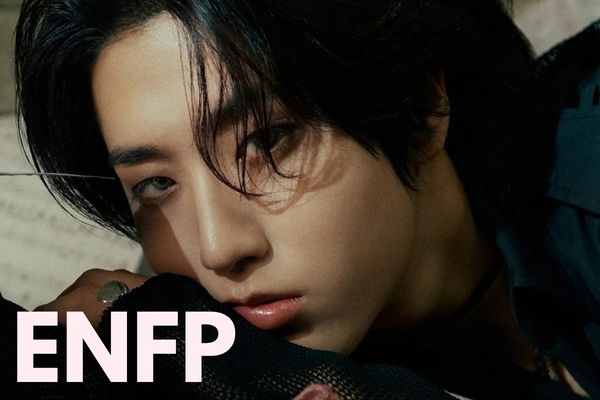
I had such a hard time profiling Han, but overall these patterns showed up again and again:
- E — Extraversion: He seeks company more than his homebody reputation suggests. Changbin says, “He likes to hang out with people more than you think.” I.N. adds, “He needs a member by his side.” He says he doesn’t think he’s a quiet person and also tends to speak more readily and responsively than most introverts do, with less time to think and contemplate. I.N. stated, “He doesn’t really like being alone. He said he doesn’t like using one room by himself at hotels.”
- N — Intuition: His thinking branches into possibilities. “I start a hobby with a wild dream” is something he’s admitted to, taking on many hobbies and interests and dropping many along the way as well. His imaginative songwriting and enthusiasm for new interests support that associative style.
- F — Feeling: His creative process is closely tied to his emotional state. Bang Chan explains, “If it matches his own emotions, he doesn’t think, it just comes out with feeling. It just flows smoothly.”
- P — Perceiving: He enjoys beginning something new, even when maintaining it proves harder. “I like to start things but they never end well. I start a hobby with a wild dream, but I end up forgetting it.”
I was genuinely torn between ENTP and ENFP for Han. Both types lead with Extraverted Intuition, which fits his imaginative, branching approach to ideas. In the end, I leaned toward ENFP because of the members’ descriptions of how closely his songwriting follows his current emotional state and because of his insistence on writing in order to stay true to himself. That doesn’t settle his type, but it gives the ENFP reading more weight.
“I don’t write to be liked by everyone; I write to be true to myself.” – Han
As always, I haven’t met and profiled him personally. This is my interpretation of his public remarks and the members’ observations.
The clearest pattern is Extraverted Intuition, or Ne. In everyday terms, this means seeing connections and possibilities, with one thought opening the door to several more.
“I’ll color outside the lines.” – Han
Han’s hobbies give us an entertaining example. He starts with an ambitious picture of what something could become, then sometimes loses interest in the work required to get there. Needle felting, growing a cactus, and decorating his room all began with enthusiasm. His summary was:
“It all starts with a dream, but ends anticlimactically with ‘lazy’ and ‘Forgotten.’”
The cactus eventually went to his parents’ house, where it was doing fine. Sometimes following through means finding someone better suited to plant maintenance.
That pattern fits Ne’s appetite for possibilities, although unfinished hobbies alone don’t establish a type. The stronger connection is between his enthusiasm for new ideas, his associative thinking, and his creative work.
The ENFP-versus-ENTP question comes down to what tends to guide those ideas. ENFPs pair Ne with Introverted Feeling, or Fi: attention to personal values and whether an expression feels true to their experience. ENTPs pair Ne with Introverted Thinking, or Ti: attention to whether an idea holds together logically.
Bang Chan’s observation is particularly useful here:
“Depending on Han’s state and emotions, if he works on something that doesn’t match how he feels he starts thinking more. But if it matches his own emotions, he doesn’t think, it just comes out with feeling. It just flows smoothly.”
This suggests that emotional alignment matters to Han’s writing process. When the work matches what he feels, expression comes more naturally. He also frequently talks about needing to get into his own emotional experience to understand something. ENTPs use Extraverted Feeling; they often need to talk out their feelings in order to get closer to understanding them. Han shows the reverse. He talks about needing to be alone to process his emotions in songwriter rather than discuss them with others.
“Han gets pretty sentimental when he’s alone now.” I.N.
Felix even stated that Han doesn’t talk about his feelings much. While I.N. stated, “He doesn’t talk about them, but it shows.”
Types with introverted feeling (FP and TJ types) tend to keep their feelings more internalized. They are likely to express them more indirectly and FPs, in particular, are known for expressing their feelings in an aesthetic sense, through art, lyrics, or music. That doesn’t mean that ENFPs look stoic. If you’ve ever met an ENFP you’re unlikely to walk away with that impression. Their feelings often show up, but they’re not necessarily blurting them out in order to understand them.
Han’s lyrics are full of deeply personal, emotionally intense lyrics:
“I’m the drought, you’re rain, I’m paper, you’re a poem, your attention changes the brightness of my empty heart, you’re light.”
“Everyone hides their inner self behind their masks, so I got used to the word loneliness.”
“Watering a withered flower won’t make it bloom again. Even the pinky finger that made the promise not to be defeated all disappeared and crumbled after your goodbye.”
“The memory of us saying we were destiny feels like a star in the sky, as time went on, we crumbled when we met, the remnants orbit the entire universe tonight.”
“By the time the embers that stick tight to my sadness slowly burn out and turn to white ashes, when the remaining ashes are blown away, I will call your name once again.”
Of course, ENTPs can write deeply personal songs, too. The distinction isn’t whether someone has feelings. It’s whether personal emotional truth repeatedly appears to guide their choices. In my experience as an MBTI practitioner, I’ve noticed that ENTPs and ESTPs tend to have fairly general explanations for their emotions (“Sad” “Angry” “Happy”) whereas ENFPs have much more nuanced words to describe their feelings and have to get very specific about them. That specificity shows up in Han’s lyrics. In the same way, ENTPs can get very specific about technical language or how something works. When I see specificity with Han it has a lot to do with the emotional content of his lyrics.
Han’s explanation of “Alien” gives us another example:
“When I released the song Alien, that’s how I felt back then. I think I’m an alien, but in a different way now. If I was an alien back then because I struggled to fit in, now I think I’m just unique.”
He revisits an image that once expressed pain and gives it a meaning that better fits who he is now. The song becomes part of an ongoing effort to understand his own experience.
The less consistent side of Han’s enthusiasm also fits inferior Introverted Sensing, or Si, the ENFP’s fourth function. Si helps us draw on past experience, track details, and keep up with familiar routines. For ENFPs, those demands can take more deliberate effort than imagining something new.
Han describes that gap himself:
“I like to start things but they never end well. I start a hobby with a wild dream, but I end up forgetting it.”
When he took up needle-felting, the project began with enthusiasm and a promise to continue tomorrow. After a few days, he forgot where he had put it. The members also mention borrowed items that don’t get returned, with Hyunjin asking about his missing guitar charger.
These examples give us hints that maintaining continuity can be harder for Han than getting started. The possibility catches his attention; remembering the materials and repeating the steps requires a different kind of effort. That fits the Ne–Si contrast. Bang Chan also stated that Han is terrible at memorizing, something that ENxPs often struggle with. They are drawn to possibilities and novel ideas, and in contrast remembering past details is much harder.
ENFP is my best reading because these patterns work together: ideas branch freely, new possibilities draw him in, and his own emotional experience gives the work direction. Changbin also says he knows how to “gently care for others’ hearts.” Han seems able to take something personal and find words that help someone else feel understood.
What Do You Think?
After all these interviews, what stayed with me was how well the members know one another. They can list each other’s abandoned hobbies and questionable habits, then explain exactly why they trust that person when things get hard. There’s plenty of teasing, but a lot of affection behind it.
These typings are my best interpretations, and I’d love to hear yours. Do you agree with the types I chose? Is there an interview or a quote that points you in another direction? Share it in the comments, especially if you have evidence for the Han debate. Apparently, I’m not quite finished with this rabbit hole.