Here’s the Banned Book You Should Read, Based On Your Enneagram Type
Some books get banned because they say too much.
Others get banned because they say it too well.
If you’re someone who feels deeply, questions everything, or craves transformation—then chances are, your favorite book is one that’s made someone else uncomfortable.
And that’s not a bad thing.
Here’s a list of banned books matched with each Enneagram type—not just to entertain you, but to shake something loose inside you. These books don’t coddle. They challenge, provoke, awaken. So if you’re ready to turn the page, scroll to your type.
This article contains affiliate links for the books mentioned. If you buy a book through that link I get a small commission to help keep my site running.
Not sure what your personality type is? Take our Enneagram questionnaire here!
Enneagram One – Book: To Kill a Mockingbird by Harper Lee
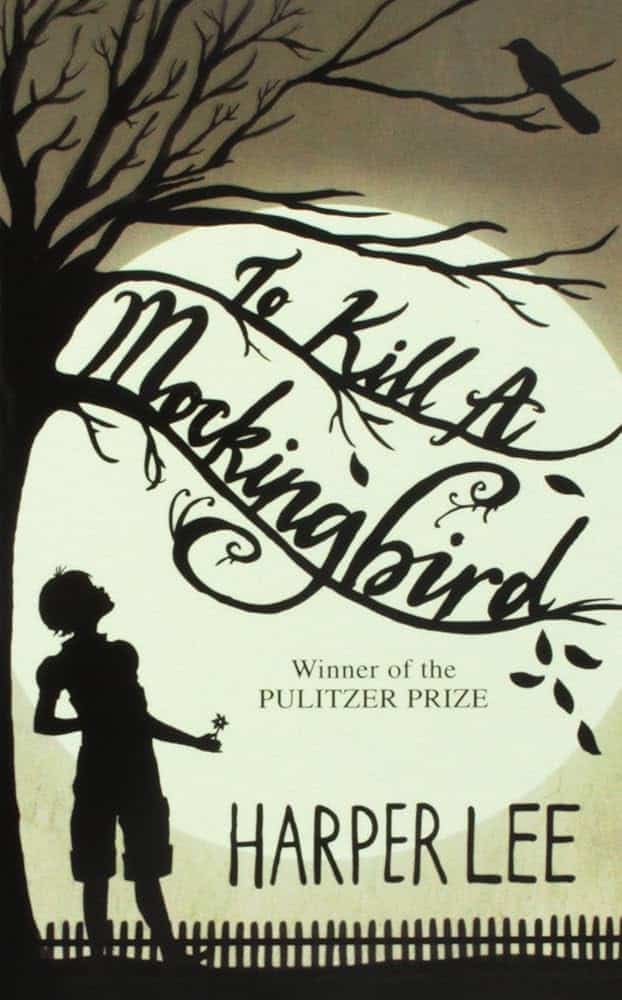
In the racially divided town of Maycomb, Alabama, young Scout Finch watches her father, Atticus, defend a Black man falsely accused of assaulting a white woman. Through Scout’s eyes, we witness a community unravel under the weight of prejudice, injustice, and hypocrisy. This timeless classic is a gut-wrenching, soul-stirring call to stand for what’s right, even when it’s dangerous.
Why you’d like it:
You crave justice. Fairness. Moral clarity. But the world doesn’t always hand it over neatly, and this book doesn’t pretend otherwise. To Kill a Mockingbird is a gut-punch for anyone who’s ever tried to do the right thing in a world that would rather you didn’t.
Scout’s innocence. Atticus’s calm resolve. The trial that makes your stomach twist.
You’ll rage, you’ll reflect, and you’ll be reminded why your voice still matters.
Why it was banned:
Challenged and banned for its use of racial slurs and its portrayal of racism, which some considered offensive or inappropriate for students—even though the book is a critique of racism.
You might also like: 1984 by George Orwell or The Handmaid’s Tale by Margaret Atwood
Enneagram Two – Book: The Color Purple by Alice Walker

Told through a series of letters, The Color Purple follows Celie, a young Black woman in the early 1900s South, as she endures unspeakable abuse and isolation. Over time, Celie finds her voice, her strength, and a chosen family that teaches her love doesn’t have to hurt. This is a novel of survival, sisterhood, and healing in the face of soul-crushing trauma.
Why you’ll like it:
You love people hard. You want to be needed—and that means your heart takes some serious hits. The Color Purple walks through unspeakable suffering, but it doesn’t leave you there. It brings you all the way to redemption, healing, sisterhood.
It’s a letter to the soul that believes in love even when it’s not returned.
And it will break you and stitch you back together in the same breath.
Why it was banned:
Removed from reading lists for its explicit depictions of sexual abuse, violence, and homosexuality. Its raw portrayal of trauma and recovery has unsettled censors for decades.
You might also like: Forever by Judy Blume or Their Eyes Were Watching God by Zora Neale Hurston
Enneagram Three – Book: The Picture of Dorian Gray by Oscar Wilde

Dorian Gray is beautiful, charming, and corrupt to the core. When he wishes his portrait would age instead of him, he sets off a slow descent into moral decay. Wilde’s sharp wit cuts through the glamor to reveal the rot underneath, in a tale that’s equal parts horror story and philosophical mirror.
Why you’ll like it:
You know how to wear the mask. How to shine. How to succeed.
But what’s the cost of always being the best?
This story is beautiful—and brutal. It’s about performance and rot, about charm hiding decay. Dorian is everything society adores… and that’s exactly the problem.
You’ll read it with a shiver. Because the mirror it holds up isn’t just to Dorian—
It’s to all of us who’ve ever felt the pressure to be perfect in appearance while ignoring our inner selves.
Why it was banned:
Considered immoral and obscene at the time of its release for its allusions to hedonism, vanity, and implied homoeroticism—controversial themes that pushed against Victorian norms.
You might also like: Brave New World by Aldous Huxley or The Great Gatsby by F. Scott Fitzgerald
Enneagram Four – Book: The Perks of Being a Wallflower by Stephen Chbosky

Shy and observant, Charlie writes letters about his life as he navigates grief, friendship, and first love. Through mixtapes, late-night drives, and hallway heartaches, he begins to emerge from the shadows. It’s a raw, poignant coming-of-age story about feeling everything too much—and still finding your place in the world.
Why you’ll like it:
This book feels like a Four. Lonely. Lyrical. Tender.
It’s a whisper of hope to the misfit heart that thinks it’s too much or not enough.
Charlie watches life from the sidelines, writes letters like prayers, and slowly discovers that maybe—just maybe—he can take up space in the world. And not just exist, but belong.
You’ll see yourself in the pages. And it’ll be a little painful. And a little perfect.
Why it was banned:
Regularly challenged for its references to drug use, mental illness, suicide, and sexual content. Critics argue it’s too mature for young readers—ironically, it’s those very readers the book helps most.
You might also enjoy: Catcher in the Rye by J.D. Salinger or The Absolutely True Diary of a Part-Time Indian by Sherman Alexie
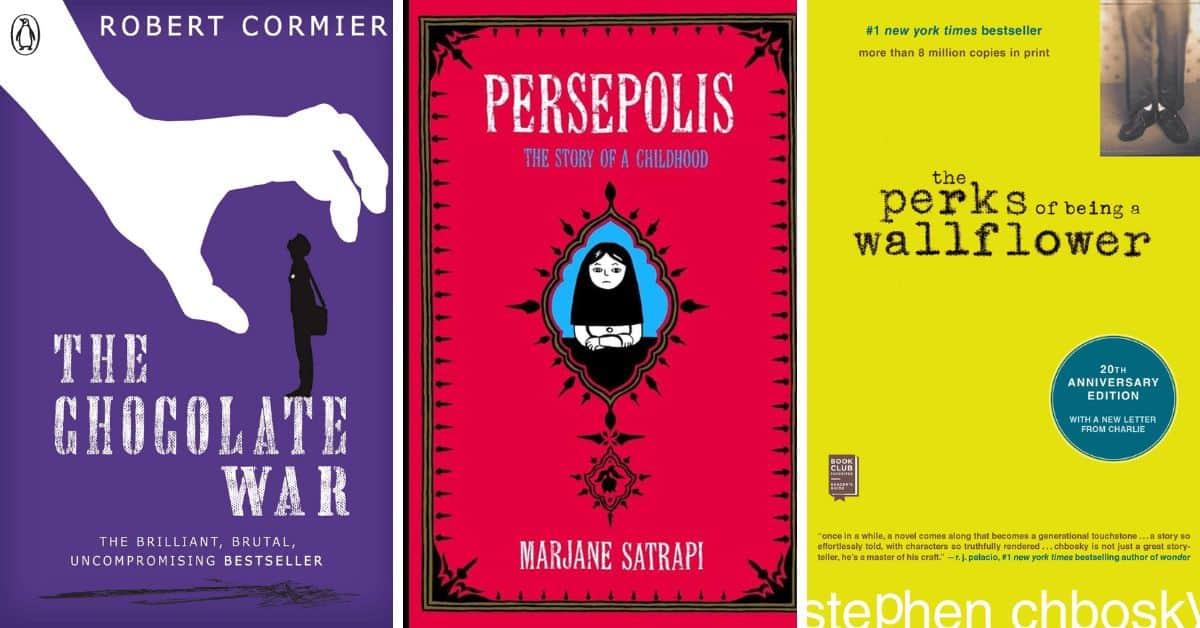
Enneagram Five – Book: Persepolis by Marjane Satrapi
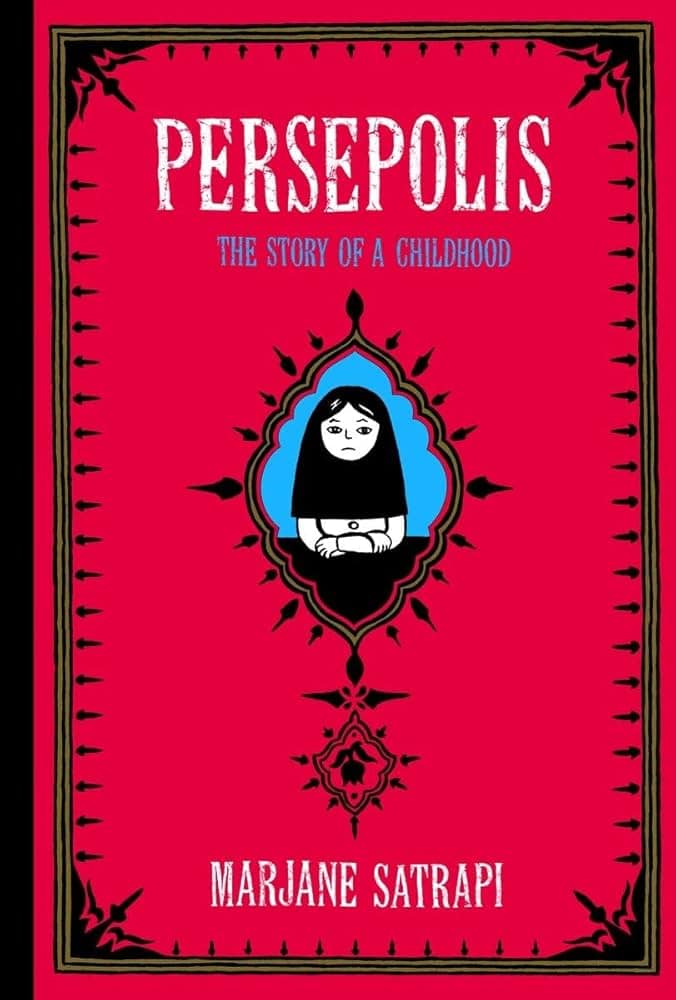
In this black-and-white graphic memoir, Marjane Satrapi recounts her childhood in Iran during the Islamic Revolution. With a sharp eye and dark humor, she explores politics, religion, rebellion, and identity through a deeply personal lens. It’s history you can feel—and a story of resistance that sticks with you long after the final panel.
Why you’ll like it:
Part memoir, part political history, Persepolis is the rare kind of book that satisfies your hunger for truth and insight. It’s smart. Stark. Often funny. And it takes the lens of a curious, analytical child growing up in revolutionary Iran and turns it into a microscope on power, survival, and identity.
You don’t just read it. You learn. You observe. You connect dots.
It’s everything a Five wants in a book—without ever telling you what to think.
Why it was banned:
Banned or challenged for its depictions of torture, violence, and religious criticism. Some schools claimed it was “politically controversial,” while others simply found it too graphic.
You might also enjoy: Fahrenheit 451 by Ray Bradbury or Slaughterhouse-Five by Kurt Vonnegut
Enneagram Six – Book: The Diary of a Young Girl by Anne Frank
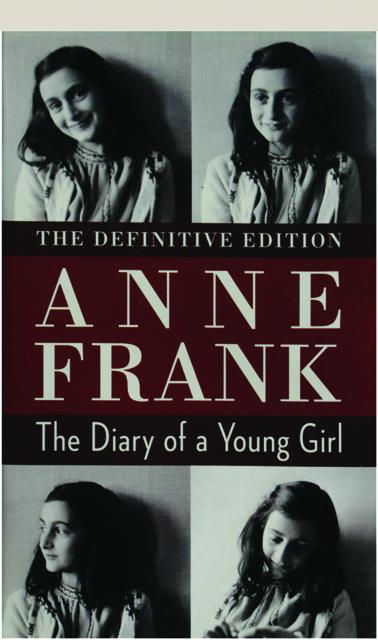
While hiding from the Nazis in a secret annex, 13-year-old Anne Frank chronicles her daily life with honesty, hope, and heartbreaking insight. Her diary captures not just the horrors of war, but the everyday joys, doubts, and dreams of a teenage girl who refused to let fear steal her humanity.
Why you’ll like it:
Anne Frank’s voice cuts through history like a single light in a long dark tunnel.
She’s afraid. Brave. Hopeful. Human.
As a Six, you know what it means to worry. You know what it means to be loyal to your people, to your beliefs, to your fears. Anne embodies the very best of humanity during one of its worst times—her faith in others, her aching for safety, her refusal to give up.
You’ll cry. You’ll be furious. And you’ll finish the last page believing in courage again.
Why it was banned:
Targeted for “sexually explicit” content—specifically, Anne’s honest thoughts about puberty and the female body. Some objected to the emotional weight of teaching the Holocaust through her personal lens.
You might also enjoy: Animal Farm by George Orwell or Of Mice and Men by John Steinbeck
Enneagram Seven – Book: Looking for Alaska by John Green

Miles “Pudge” Halter is obsessed with famous last words and the idea of the “Great Perhaps.” At boarding school, he meets Alaska Young—captivating, reckless, and broken. Their intense friendship sets off a chain of events that forces Miles to confront grief, guilt, and the tangled mess of love and loss.
Why you’ll like it:
You chase the highs. You outrun the lows.
But what happens when someone else’s chaos mirrors your own?
Looking for Alaska is all fun and fascination—until it isn’t. It’s about wild nights, deep questions, and the kind of loss that won’t be ignored. This is the book that takes your fast-beating Seven heart and dares it to sit with pain for a while.
It’s sobering. Stunning. And exactly the right kind of mess.
Why it was banned:
Challenged for sexual content, strong language, and discussion of death and grief. Some parents felt it glamorized risky behavior, despite its clear emotional consequences.
You might also enjoy: A Court of Thorns and Roses by Sarah J. Maas or The Kite Runner by Khaled Hosseini
Enneagram Eight – Book: The Chocolate War by Robert Cormier

Jerry Renault doesn’t set out to be a hero—he just refuses to sell chocolates for a school fundraiser. But in a school ruled by conformity, that tiny “no” turns him into a target. Bullied by teachers, tormented by a powerful secret student group, and isolated by his peers, Jerry becomes the center of a storm he never asked for.
Still, he holds his ground.
Even when it hurts.
Even when the system hits back harder than he ever imagined.
This is a story about what it costs to disturb the universe—and why some people do it anyway.
Why you’ll like it:
You hate being manipulated.
Which is why this book will make your blood boil—in the best way.
Jerry Renault says “no” when everyone expects him to say “yes.” And suddenly, the system he lives in—the school, the gangs, the adults, the silent followers—starts to crumble around him. This isn’t just a rebellion. It’s war.
Eights, you’ll feel this one in your fists.
And you’ll leave the book more dangerous than when you started.
Why it was banned:
Frequently challenged for its bleak view of authority, violence, and the cruelty of adolescence. The book’s refusal to be “feel-good” and tidy made it a target for censors who like a more clean-cut, happy ending type of story.
You might also like: The Lord of the Flies by William Golding or The Hate U Give by Angie Thomas
Enneagram Nine – Book: Ordinary People by Judith Guest
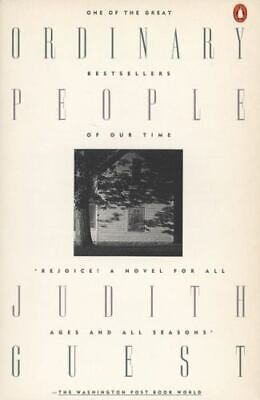
After the accidental death of his brother and a suicide attempt, Conrad Jarrett is trying to hold it together. His parents—distant, grieving in their own ways—can’t seem to help. With the aid of a compassionate therapist and a new love interest, Conrad begins a slow, painful journey toward healing. It’s a quiet, devastating novel about guilt, grief, and finding your way back to life.
Why you’ll like it:
You just want everyone to be okay. You want to keep the peace, keep it together, stay invisible if it means avoiding conflict.
But beneath the surface, you can sometimes feel like you’re drowning.
This book gets that.
Ordinary People is quiet, but it cuts deep. It’s about the guilt we carry, the grief we hide, and the love we’re terrified to ask for. You’ll feel seen. And you’ll start to realize that your feelings matter too.
Why it was banned:
Challenged for its frank discussion of mental health, suicide, and depression. Its realistic portrayal of emotional pain has been deemed “too heavy” for young readers—yet it’s exactly what many need.
You might also like: Bridge to Terabithia by Katherine Paterson or A Wrinkle in Time by Madeleine L’Engle
What Do You Think?
Have you read any of these books? Do you agree or disagree with my suggestion or do you have another book to recommend?
Books get banned because they’re powerful.
They touch nerves. Start revolutions.
They ask questions that don’t have easy answers.
What book has influenced you in a way that changed your life? Share with us in the comments!


The Woman They Could Not Silence by Kate Moore was a book I both wanted to throw and continue reading to get to the redemptive content at the end. As a 2 who lives with depression and anxiety it pained me to read this book. At the same time it encouraged she never gave up the fight to make a difference. I applaud Kate Moore for bringing this to light. I may never have heard of Elizabeth Packard otherwise. She is a true hero and pioneer for mental health.
Thank you so much for sharing this—it really moved me. The Woman They Could Not Silence looks like such a powerful, gut-wrenching read, and I’m definitely going to see if they have it at my library! Thank you again for your vulnerability and insight. 💛