
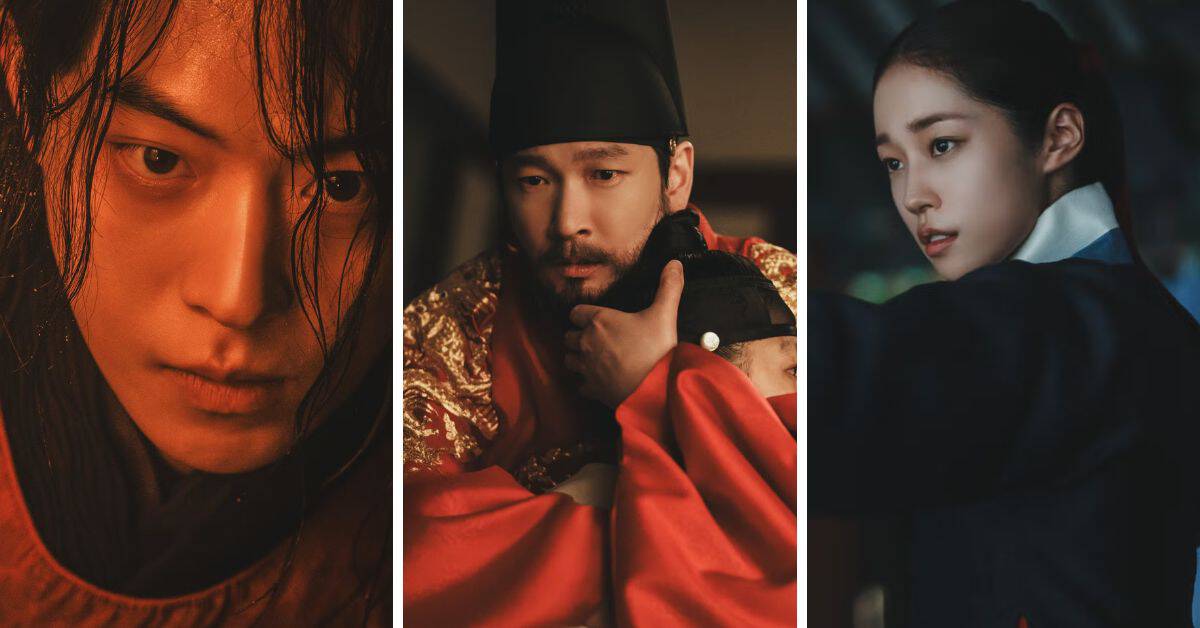
The Myers-Briggs® Personality Types of the Characters in The East Palace
Netflix’s The East Palace blends supernatural horror, palace intrigue, Korean folklore, and heartfelt character development into one addictive series. My oldest daughter and I binge-watched this show over the last week and were constantly on the edge of our seats trying to anticipate what would happen next or who was really to blame for everything going wrong in the eerie East Palace. I personally loved it and am recommending it to anyone who wants a taste of supernatural K-Drama.
As always, these are my best estimates based on the characters’ cognitive functions, motivations, and decision-making styles—not simply their stereotypes or surface behaviors. If you’ve watched the series, I’d love to hear whether you agree or disagree!
Not sure what your personality type is? Take our personality questionnaire here. Or you can take the official MBTI® here.
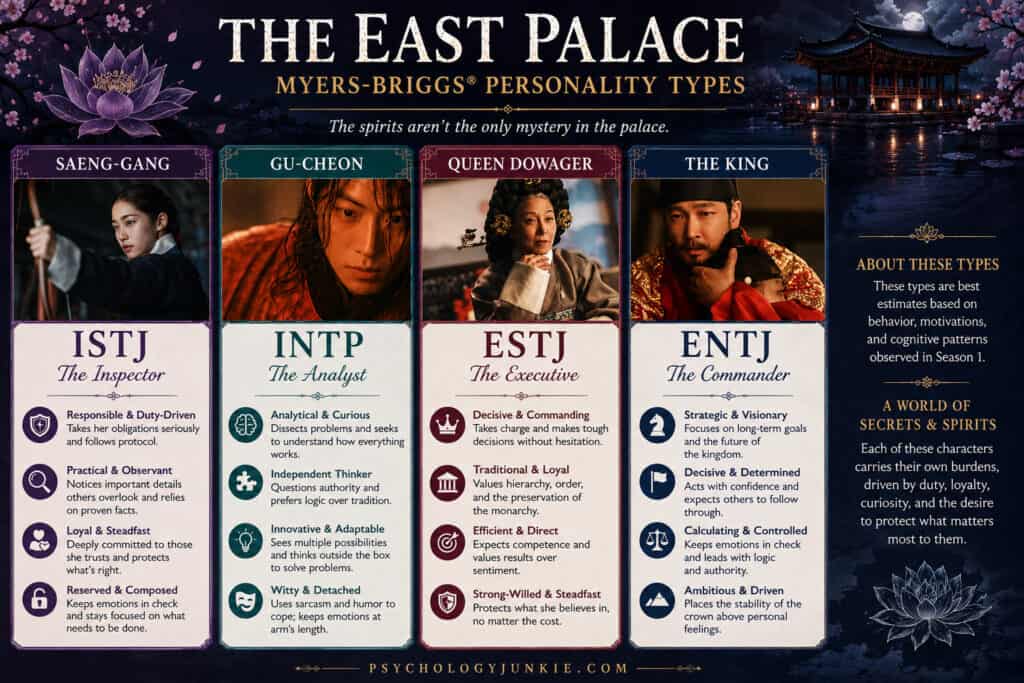
The Myers-Briggs® Personality Types of the Characters in The East Palace
Saeng-gang — ISTJ
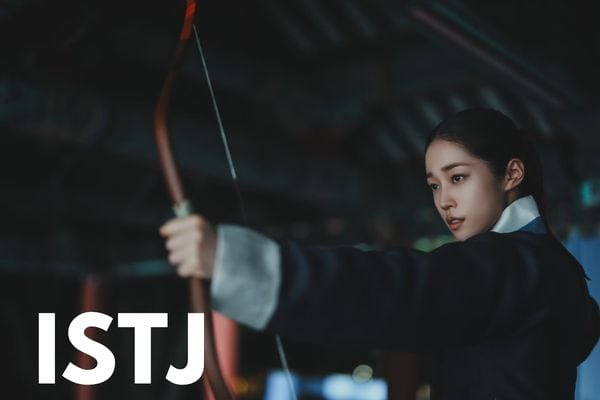
Saeng-gang initially comes across as rigid and formal, but beneath her composed exterior is someone who cares deeply and is loyal to those whose intentions are good. Like most ISTJs she relies on careful observation, practical experience, and a quiet sense of personal conviction. As an ISTJ, she naturally trusts what she can verify. She approaches every mystery methodically, preferring to gather evidence before reaching conclusions, and she’s remarkably good at noticing details other people overlook.
Duty shapes nearly every decision she makes. She respects protocol, follows established procedures, and believes people should fulfill their responsibilities regardless of how difficult they may be. Even after being assigned to monitor Gu-cheon, she never treats the task casually. She remains focused on accomplishing the mission rather than chasing excitement or acting on impulse.
Her dynamic with Gu-cheon highlights the difference between dominant Introverted Sensing (Si) and his exploratory Ne-driven approach. While he’s happy to improvise, question assumptions, and wander into unknown territory, Saeng-gang wants a reliable process. She often asks practical questions first: What’s actually happening? What do we know? What should we investigate next? She trusts accumulated knowledge before speculation.
At the same time, she isn’t inflexible. Healthy ISTJs don’t reject new information (unlike the stereotypes would suggest). they simply want good evidence before changing course. As the investigation unfolds, Saeng-gang gradually adjusts many of her assumptions while remaining grounded and realistic. Once she sees proof that contradicts her previous beliefs, she’s perfectly willing to revise them.
Her tertiary Introverted Feeling (Fi) shows itself in subtle ways as well. While she doesn’t wear her emotions on her sleeve, she’s fiercely loyal to the people and values she believes in. Much of her internal struggle revolves around reconciling her sense of duty with her growing awareness that the people she’s sworn to serve may not deserve that loyalty. Rather than making emotional speeches, she lets her convictions guide her actions.
Gu-cheon — INTP
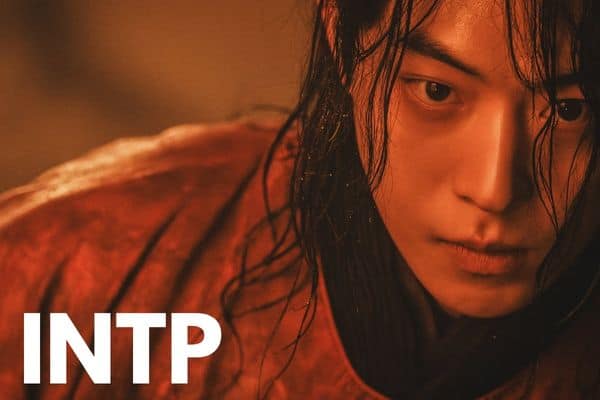
Gu-cheon is the last person anyone expects to become the kingdom’s reluctant hero. Sarcastic, irreverent, and seemingly allergic to responsibility, he would much rather avoid the palace entirely than risk his life solving someone else’s problems. But beneath the dry humor is an analytical, questioning mind that constantly tries to understand how the spirit world works.
Rather than following rules because they’re established, Gu-cheon questions nearly everything. He wants to understand the underlying mechanics behind spirits, curses, and the Realm of Gwi instead of accepting the typical Buddhist or Shamanic rituals. His first instinct is analysis, not obedience, a hallmark of dominant Introverted Thinking (Ti).
His auxiliary Extraverted Intuition (Ne) gives him an unusually flexible approach to problem-solving. He’s quick to improvise, considers multiple possibilities at once, and often connects ideas that others never think to combine. While Saeng-gang works through problems step by step, Gu-cheon jumps between theories, adapting as new information appears.
One detail that especially stood out to me is how often he assumes other people already understand the information that’s obvious to him. INTPs can become so immersed in their own internal framework that they forget everyone else isn’t operating from the same set of conclusions. His explanations are often brief because, in his mind, the logical connections are already self-evident.
His reluctance to help doesn’t strike me as laziness so much as exhaustion. Every trip into the spirit realm comes at enormous personal cost. He drowns, suffers horrific injuries, and repeatedly risks his life for people who frequently respond with suspicion, threats, or demands. His cynicism feels, to me, less like a lack of compassion and more like someone who’s tired of sacrificing himself for those who feel entitled to his pain without giving him the slightest respect.
Despite his detached demeanor, Gu-cheon’s inferior Extraverted Feeling gradually emerges throughout the series. He begins by treating the mission as an obligation forced upon him, but as his connection with Saeng-gang deepens and he uncovers the truth behind the curse, his motivations become increasingly personal. He never transforms into an openly sentimental person, but his growing willingness to risk himself for others reveals the compassionate values that have always existed beneath his sarcastic exterior.
Queen Dowager — ESTJ
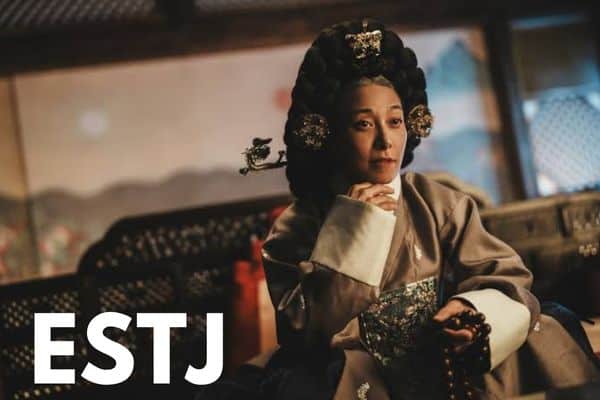
The Queen Dowager embodies many of the strengths—and dangers—of dominant Extraverted Thinking. She’s decisive, commanding, and entirely comfortable taking control of difficult situations.
Her focus seems to always be about preserving the monarchy. Every decision is filtered through what she believes will secure the kingdom’s future, even when those decisions demand enormous personal sacrifice from others. Unlike the king, whose plans often look toward reshaping the future, the Queen Dowager places tremendous importance on preserving tradition and legitimacy. Her auxiliary Introverted Sensing reinforces her respect for hierarchy, lineage, and established institutions. To her, the survival of the royal bloodline represents the continuation of everything the kingdom is built upon.
She has little patience for incompetence, indecision, or emotional appeals. She expects people to fulfill their roles efficiently and becomes openly furious when they fail to meet her standards.
The King — ENTJ
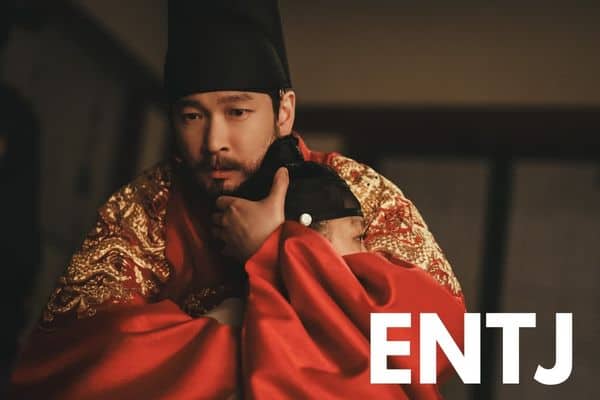
My opinions on this man changed dramatically throughout the series. One minute I hated him and thought he was a pig-headed fool, then I questioned my assumptions, wondering if I’d misread him, and then I hated him again.
He constantly evaluates people according to their usefulness, positioning them like pieces on a chessboard to achieve long-term objectives. Even when he’s desperate to save his remaining son, his decisions are driven more by strategy than emotional transparency.
Dominant Extraverted Thinking makes him highly decisive. Once he determines the course of action, he expects others to carry it out without question. He doesn’t waste time explaining himself, and he’s perfectly willing to use intimidation or force when cooperation fails—as Gu-cheon quickly discovers.
His auxiliary Introverted Intuition keeps him focused on the bigger picture. Rather than reacting emotionally to every new development, he continually considers how each event affects the stability of his reign and the future of the royal bloodline. Even when the supernatural begins challenging his worldview, he’s reluctant to abandon his broader strategic objectives.
Like many unhealthy ENTJs, he compartmentalizes emotion. There are moments where genuine concern for his family surfaces, but vulnerability rarely influences his decisions for long. Instead, he buries his feelings beneath control, believing that maintaining authority matters more than expressing personal grief.
This makes him difficult to read throughout much of the series. Is he motivated by love, ambition, fear, or survival? The answer is often all four at once, filtered through a personality that instinctively prioritizes results over emotional expression.
What Do You Think?
Do you agree with my perspective or do you have a different opinion? Let me know in the comments! I’d love to chat with another K-drama fan!
Find out more about your personality type in our eBooks, Discovering You: Unlocking the Power of Personality Type, The INFJ – Understanding the Mystic, The ISFJ – Understanding the Protector, and The INFP – Understanding the Dreamer. You can also connect with me via Facebook, Instagram, or YouTube!