
The Samurai Principle Each Personality Type Needs
There is something appealing about the idea of becoming a disciplined warrior when you are currently a person who has reheated the same coffee three times and feels personally threatened by a calendar notification. You imagine composure. Purpose. The ability to encounter a minor inconvenience without becoming exhausted.
I understand the appeal. I would also like to acquire inner steadiness without first having to answer my emails.
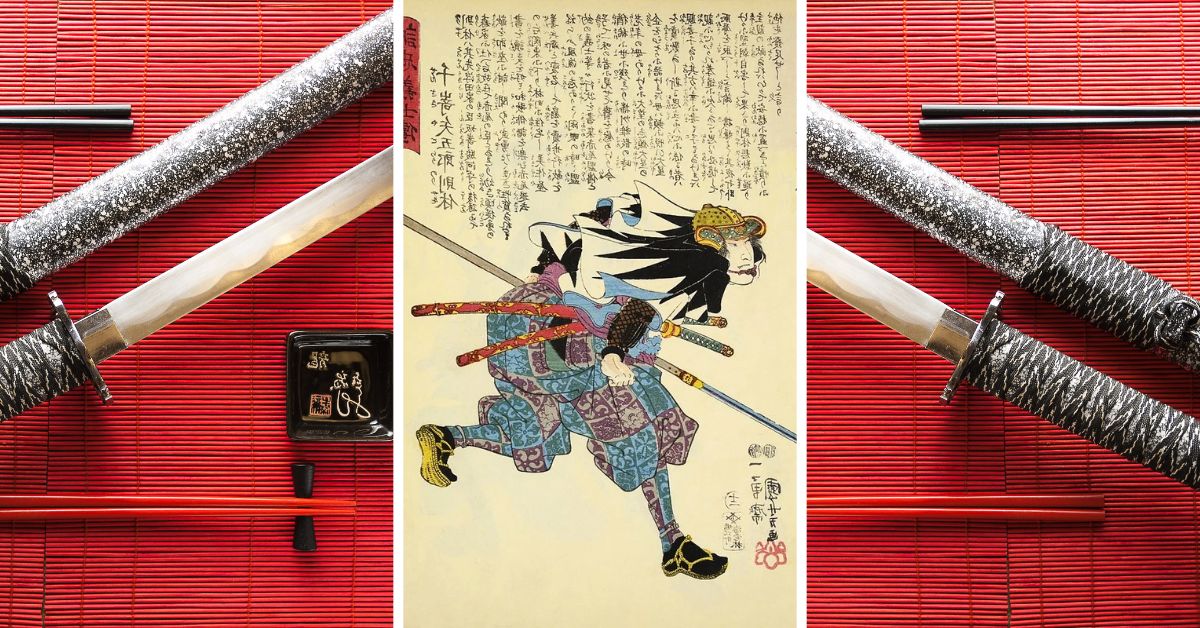
But before we start assigning samurai principles to personality types, we need to acknowledge some history.
A Little History Before We Start Improving Ourselves
Samurai were members of Japan’s warrior class, with roles and expectations that changed over centuries. They were also patrons of art and learning, and their history involved political power and warfare as well as cultural achievement. I can’t really reduce their lives to inspiring statements about getting up earlier. [1]
Bushidō, usually translated as “the way of the warrior,” was never one timeless checklist followed identically by every samurai. Warrior codes differed across periods, and later accounts helped shape the idealized version many people know about today. The Asian Art Museum’s comparison of historical codes makes those differences particularly clear. [2]
So the principles below are modern reflections inspired by themes found in warrior ethics, training, and the wider cultural world around them. Some, such as impermanence, belong to broader traditions rather than to samurai alone.
Personality type is a reflection tool here, too. If another type’s section makes you feel uncomfortably observed, you are welcome to borrow it.
Table of contents
- INFJ: Gi, Righteousness
- INTJ: Accept Reality as It Is
- INFP: “The Way Is in Training”
- INTP: “Pay Attention Even to Trifles”
- ENFJ: Makoto, Sincerity
- ENTJ: Jin, Benevolence
- ENFP: Stay with the Way
- ENTP: Become Acquainted with Every Art
- ISFJ: Yū, Courage
- ISTJ: Question Habitual Beliefs
- ISFP: Accept Reality as It Is
- ISTP: Rei, Respect
- ESFJ: Think Lightly of Yourself and Deeply of the World
- ESTJ: Know the Ways of All Professions
- ESFP: Resist Jealousy
- ESTP: Distinguish Between Gain and Loss
- Other Articles You Might Enjoy:
INFJ: Gi, Righteousness
Let What You Know Is Right Become Something You Actually Do
The principle: Gi is commonly translated as righteousness, rectitude, or justice. In Nitobe Inazō’s account of bushidō, it involves the resolve to act according to reason and what is right. Understanding your duty is supposed to lead somewhere tangible.
This is where things can get uncomfortable for the INFJ.
You can understand almost anyone if you spend enough time considering their circumstances. Someone treats you badly, and your mind immediately assembles a documentary about their childhood, their unmet needs, and the wounded little person apparently operating the controls. Meanwhile, the wounded little person has insulted you three times and would like another favor.
Your capacity for understanding is valuable. But you can become so invested in being fair to everyone’s perspective that your own judgment never gets to leave the building.
Perhaps a friend keeps breaking promises, a relative expects more help than you can give, or a coworker keeps handing you their responsibilities. You recognize the problem, but you keep explaining their behavior to yourself instead of addressing it with them.
Then you search for wording that will let you set a boundary without disappointing anyone. An ambitious project. Historians may someday discover your notes.
Practicing gi means deciding what is fair and following through. Tell the friend you won’t keep rearranging your schedule. Tell the relative when you’re available. Tell the coworker you have your own work to finish.
You can acknowledge their difficulties while being clear about what you will do: “I know you’re overwhelmed. I can help for an hour on Saturday, but I can’t take this on every week.”
Before you soften your answer into something you don’t mean, ask yourself: “Am I being fair, or am I trying to avoid someone being upset with me?” Their disappointment may be uncomfortable. You can let them have that feeling without immediately withdrawing your boundary. As someone who has struggled with codependence, I know how hard it can be to let people feel disappointed. But you have to remind yourself that you can only control your feelings, it’s not your job to control everyone else’s.
Try this: Choose one problem you keep explaining away. Write down what keeps happening, how it affects you, and what needs to change. Then say it in two or three clear sentences and follow through. You can be kind without submitting a six-volume defense of your right to have limits.
INTJ: Accept Reality as It Is
The principle: The first precept in Miyamoto Musashi’s Dokkōdō, often translated as “The Path of Aloneness,” is rendered in one English translation as “Accept everything just the way it is.”
When it comes to my life, I’m really good at making plans. Reality conforming to those plans is less predictable. As an INTJ, my immediate response is that everything should consider being less stupid.
I had a plan. The plan was reasonable. It accounted for the available time, the necessary work, and several preventable disasters that other people seemed content to discover recreationally. Then something changed, and now I am apparently expected to participate in the day that actually exists.
Humiliating.
For those of us who lean heavily on forecasting and strategy, reality can start to feel like a poorly managed organization whose leadership refuses to read our recommendations. We keep mentally returning to how things should have gone, which would be useful if indignation could restore the morning.
My practical reading of Musashi’s advice is to begin with the conditions in front of you. Maybe an interruption happened. A person’s emotions got in the way of your plan. Your energy is lower than you expected. These facts can be frustrating, and some may need addressing, but your next decision has to account for them.
You can spend the afternoon arguing internally with the existence of the problem. I have conducted this experiment extensively. The problem generally remains there afterward.
Acceptance gives your strategic mind accurate material to work with. You can still change what is changeable, set a boundary, or make a better arrangement for tomorrow. First, though, you have to stop trying to execute yesterday’s plan inside today’s circumstances.
Try this: When something disrupts your day, name three facts without adding a judgment. “I have forty minutes. I am tired. This task still matters.” Then decide what those conditions allow. You may need a smaller goal, a different method, or a brief retreat to a room where nobody asks where the scissors are.
INFP: “The Way Is in Training”
The principle: Among the guidelines in Musashi’s Gorin no sho, or The Book of Five Rings, is the instruction commonly translated as “The Way is in training.” His subject was martial strategy, where understanding had to become something you could reliably put into practice.
For the INFP, there is a useful and mildly irritating application here: the things you care about need somewhere to happen.
You may care passionately about writing, creating, helping people, or living according to your convictions. You can feel the importance of these things with enough intensity to become exhausted without technically having done them. As a fellow introvert and intuitive, I can fully relate.
When someone recommends a routine, you might feel a bit nauseous. I understand the resistance. There is something depressing about taking a deeply meaningful creative calling and assigning it a fifteen-minute appointment between breakfast and an errand. You imagined inspiration, perhaps a romantic lightning storm at the window. Instead, your phone says it is time to be profound.
Yuck.
But practice gives your values a physical presence in your life. You write a paragraph. You learn a technique. You make the call you have been meaning to make. Over time, you become more capable of doing what matters to you, including on days when the feeling that usually carries you has gone somewhere without leaving a forwarding address.
While we might hate to admit it, constantly waiting to feel ready can erode your trust in yourself. You start wondering whether you really care, when the more useful question might be whether you have made the task manageable enough to begin.
Your practice can be gentle, flexible, and small. It still needs to happen often enough that your dream gets acquainted with your actual life.
Try this: Choose one value you want to express more consistently and give it a repeatable action. If you value creativity, write for fifteen minutes. If you value friendship, send the message. Keep the promise small enough to honor while you’re tired. You already know how much it matters; give yourself some evidence that you can show up for it.
INTP: “Pay Attention Even to Trifles”
The Small Detail Is Sometimes Where the Whole Thing Breaks
The principle: Another guideline in Musashi’s Gorin no sho is commonly translated as “Pay attention even to trifles.” Alongside his concern with broad strategy, he movies his attention toward details that might appear insignificant.
An INTP can understand a complex system and still be defeated by the email required to take part in it.
This feels unfair. You have grasped the underlying structure, identified a contradiction, and developed an improvement that nobody else seems to have considered. Surely someone less occupied with the architecture of reality could handle the attachment.
Your ability to separate important ideas from irrelevant noise is a strength. The difficulty comes when “intellectually uninteresting” starts being treated as equivalent to “inconsequential.” You may give a problem hours of careful thought, then overlook the final step that makes your work usable. You finish the project but forget to send it. You research a purchase thoroughly but miss the return window. You agree to meet someone on Thursday without checking which Thursday, creating a small experimental study in disappointment.
The detail may be boring, but the consequence of missing it can undo work you really care about.
The same thing can happen in relationships. A friend sends a vulnerable message, and you want to give it a thoughtful reply. You put it aside until you have time to answer properly, then forget. Three days later, they have received exactly none of the concern you felt. As an INTJ, I have done this. Numerous times. It has never served me well.
A short acknowledgment would help: “I’ve read this, and I’m sorry you’re dealing with it. Can I call you tonight?” Then set a reminder to actually call. Otherwise, you have simply given the disappointment an appointment.
Applying Musashi’s advice means identifying the small actions that affect the outcome. Before you consider a task finished, check what still needs to happen. Does someone need the file? Have you confirmed the date? Did you answer the question they actually asked?
Give those steps a place outside your memory. Put deadlines in your calendar when you receive them. Set a reminder when you postpone a reply. Before sending important work, check the recipient, attachment, and instructions.
You can continue finding these tasks profoundly uninteresting. But in the grand scheme of things, your life satisfaction will be higher.
Try this: Choose one mistake you keep repeating and create a safeguard for that specific mistake. If you forget attachments, attach the file before writing the email. If you miss deadlines, record the due date and schedule time to do the work. If messages disappear from your awareness, set a reminder before closing them. Use it the next time the situation comes up, while your brain is still insisting it will definitely remember.
ENFJ: Makoto, Sincerity
The principle: Makoto, often translated as sincerity or honesty, is one of the virtues associated with bushidō. It asks for truthfulness and trustworthiness, including consistency between what you say and what you do.
For an ENFJ, this can get uncomfortable around the moment someone says asks you for a favor, you agree, and they follow up with, “You don’t mind, do you?”
You do mind. You mind considerably. Unfortunately, you have already smiled, said “Of course!” and begun making the other person feel better about asking. Your resentment will be available later, once everyone has gone home.
When you’re highly attentive to other people’s feelings, sincerity can become complicated. You know exactly how an honest answer might land. You can practically watch the disappointment forming, and suddenly your perfectly reasonable limit feels like something you should apologize for having. So you give the answer that keeps the interaction pleasant, then try to make yourself become the person who meant it.
That is exhausting work. Occasionally impossible work. Somewhere, your actual feelings are banging on a pipe.
Practicing makoto means giving people information they can trust, even when that information is less convenient than your usual warmth. “I’d like to help, but I don’t have the time.” “That hurt my feelings.” “I agreed too quickly, and I need to reconsider.”
There’s some anxiety and vulnerability in letting someone experience a need they might decline or an opinion they might dislike. You lose some control over how they see you. You also give the relationship a chance to include you as you actually are.
Try this: Notice one moment when your mouth starts volunteering before the rest of you has been consulted. Pause and say, “Let me think about that and get back to you.” Then return with an answer you can follow through on without mentally invoicing anyone for emotional damages.
ENTJ: Jin, Benevolence
The principle: Jin, commonly translated as benevolence or compassion, is another virtue associated with bushidō. It places moral importance on how someone with power treats others.
You can probably see where this is going, and you would appreciate it if we got there efficiently.
As an ENTJ, you may be quick to identify what needs fixing and willing to take responsibility for fixing it. This is useful, especially in situations where everyone else has mistaken discussing the problem for making progress.
But once you see a workable solution, the people struggling to implement it can begin looking like additional problems. You explained the process and supplied the resources. Why are we still here, having feelings beside the unfinished task?
Sometimes someone needs clearer expectations. Sometimes they need practice, reassurance, or an explanation you assumed was obvious. Sometimes your solution requires more time and energy than the people involved actually have.
Practicing jin means paying attention to those realities before frustration turns into condemnation on someone’s character. Your influence gives you the ability to make it easier or harder for people to admit confusion, report a mistake, or tell you the plan is failing.
If they expect contempt, you may receive reassuring updates right up until everything catches fire. A remarkably inefficient communication system.
The modern application here is to make compassion part of your judgment. Learn what the person is facing, then decide what support, adjustment, or accountability makes sense.
Try this: Before correcting someone this week, ask what has made the task difficult. Listen without preparing your rebuttal halfway through their first sentence. Then agree on one useful next step together.
ENFP: Stay with the Way
The principle: The final precept in Musashi’s Dokkōdō is often translated as “Never stray from the Way.” Within his personal teachings, this expresses an enduring commitment to the path he had chosen.
For an ENFP, choosing a path can be easy for approximately forty-five minutes, during which it becomes the most exciting path anyone has ever discovered.
Then another path appears. This one involves travel, a creative collaboration, and possibly becoming an entirely different person by September.
Your openness gives you access to possibilities other people overlook. It can also leave you with several meaningful beginnings and a growing reluctance to inspect what happened afterward.
The painful part is that you often meant every promise and believed in every plan when you made it. Your enthusiasm was sincere. You could see what the project might become, and for a while that future felt close enough to touch. Then the work became repetitive, your circumstances changed, or another possibility offered relief from the frustration of this one.
My application of Musashi’s principle is to choose carefully enough that you can stay through some ordinary disappointment. A worthwhile commitment will contain days when you feel bored, uncertain, or less talented than you hoped. Those days might deserve some thought, but they don’t each need the authority to redirect your life.
Try this: Choose one commitment that still matters and define what staying with it will look like for the next month. Keep the goal realistic. Put new ideas somewhere you can revisit later, without immediately handing them your calendar and the keys to your identity.
ENTP: Become Acquainted with Every Art
The principle: Among the guidelines in Musashi’s Gorin no sho, or The Book of Five Rings, is the instruction to become acquainted with different arts. His approach to strategy included learning beyond a single narrow field.
At first glance, this seems like advice an ENTP has already followed aggressively. You have interests. Your interests have interests. Somewhere in your browser is a promising explanation for how medieval irrigation relates to organizational failure.
The useful challenge is to encounter another discipline on its own terms.
Say you decide to learn guitar. You understand how chords work, notice patterns, and immediately have questions about why the lessons are arranged this way. Excellent. Now try changing chords without stopping the song. Your fingers don’t like this as much.
This is where an unfamiliar skill becomes useful. You discover that grasping an explanation doesn’t give you every ability the task requires. You need practice, feedback, and attention to things you barely noticed at first, such as timing, pressure, and where your hands actually are.
For an ENTP, the useful lesson is to keep learning after you reach the point where you can talk intelligently about the subject.
That might mean following a drawing exercise before deciding the method is inefficient, trying a teacher’s suggestion before arguing against it, or finishing a beginner project after the initial excitement wears off.
Your questions may lead to real improvements. Give yourself enough experience to judge which improvements would actually help. Sometimes a method looks unnecessarily complicated because you haven’t encountered the problem it was designed to solve.
Try this: Choose one unfamiliar skill and complete a beginner lesson. Follow the instructions, attempt the task, and ask for feedback on your result. Write down one thing that turned out to be harder than the explanation made it sound. You can revolutionize the field after lunch.
ISFJ: Yū, Courage
Let Someone Be Disappointed Without Immediately Offering Them Something
The principle: Yū, usually translated as courage, is one of the virtues associated with bushidō. In Nitobe’s account, courage is connected to doing what is right, rather than simply proving that you are fearless.
For an ISFJ, this might involve telling someone you cannot host Thanksgiving, then surviving the next thirty seconds without offering to cook the entire meal and deliver it in individually labeled containers.
You may be perfectly capable of handling an emergency. Someone gets sick, something goes wrong, and you become the person who knows where everything is and what needs to happen. But expressing a preference that inconveniences somebody? Suddenly we are approaching the gates of personal ruin.
When you care a lot about being dependable, setting a limit can feel like withdrawing something people have learned to love you for. You wonder whether they will still want you around when you are less useful, less accommodating, or occasionally unavailable because you would like to experience sitting down.
If people have rarely heard you say no, they may initially be surprised and some may be disappointed. You can give them time to adjust without treating their reaction as proof that your boundary was cruel and unforgivable.
My modern application of yū is to practice the kind of courage that protects an honest relationship. Let people discover what you can offer willingly, what costs you too much, and where you need something from them.
Try this: Set one small limit this week and leave it standing. Explain it kindly, then resist adding compensation packages until the other person looks happy again. You are allowed to finish the conversation while someone is still having a feeling.
ISTJ: Question Habitual Beliefs
Make Sure the Familiar Method Still Deserves Your Loyalty
The principle: One precept in Musashi’s Dokkōdō is translated as “Do not act following customary beliefs.” A useful modern reading is to examine inherited assumptions before letting them determine your actions.
For an ISTJ, this can sound suspiciously like advice from someone who has never maintained anything longer than a sourdough starter.
You know why procedures exist. You have watched people skip necessary steps, announce that they are “trying something different,” and then require assistance with the entirely predictable consequences. Naturally, you develop some affection for methods that work. The difficulty comes when a method keeps receiving your loyalty after its usefulness has begun to fade.
Perhaps a responsibility made sense when your circumstances were different. Perhaps a rule was created to solve a problem that no longer exists. Perhaps everyone is still printing the document because someone requested paper copies in 2008 and their preference has since acquired the authority of constitutional law.
You can respect the people who taught you a method while recognizing that they were working with different conditions. You can also revise a decision without declaring your earlier self an idiot. You may simply have had less information and a printer that still worked.
Try this: Choose one recurring obligation or procedure and ask what purpose it serves now. If the answer is unclear, test a small change. Keep what helps and revise what doesn’t. Your reliability can survive an updated method.
ISFP: Accept Reality as It Is
Find a Way to Live Your Values in an Imperfect World
The principle: The first precept in Musashi’s Dokkōdō is often translated as “Accept everything just the way it is.” A practical application is to acknowledge the conditions you face so you can decide what to do within them.
I know I picked this rule for INTJs, but I think it applies to ISFPs as well. As an ISFP, you have a strong sense of what feels meaningful, beautiful, or worth doing. Then you encounter a world that would like you to complete a compliance module before experiencing any of those things.
You want to make something honest. Someone asks whether it will sell. You want meaningful work. The available job involves updating a spreadsheet so another person can transfer the information into a different spreadsheet. Apparently, this is the economy.
The disappointment can sting because these frustrations touch things you genuinely care about. You may start wondering whether there is room for the kind of life you want, or whether participating means gradually becoming someone you dislike.
The useful question is: “Given these conditions, how can I still do something I believe in?”
If your job feels empty, identify what it currently provides and what you need to change. Perhaps it pays the bills while you train for different work. Perhaps you can reduce your hours, look for a better role, or protect an evening each week for something that feels like yours.
If selling your creative work feels uncomfortable, get specific about the compromise you fear. Would you dislike taking commissions? Changing your style to follow trends? Spending more time promoting than creating? Each concern calls for a different decision. You might sell finished pieces, set firm limits on commissions, or earn money elsewhere and keep your art entirely personal.
You don’t have to settle those questions by deciding that the whole world is hopeless, although I understand the efficiency of that approach.
Acceptance means admitting that some constraints are real, then looking carefully at the choices you still have. A meaningful life may include tedious tasks, imperfect jobs, and people who ask about your “content strategy” when you have shown them a painting. You can decide which compromises are manageable and which would cost you too much.
Try this: Name one situation that feels at odds with your values. Write down what bothers you, what you currently cannot change, and one choice you can make this week. Apply for the different job, set a limit with a client, or give yourself an hour to create without asking it to earn anything. Start with a change you can actually make.
ISTP: Rei, Respect
Give the Person the Same Attention You Give the Problem
The principle: Rei, commonly translated as respect, courtesy, or propriety, is among the virtues associated with bushidō. In Nitobe’s treatment, courtesy has value when it expresses consideration for others, rather than just following social forms.
For an ISTP, this may require pausing before explaining the obvious solution to a person who is still trying to explain why they are upset.
You have heard the problem. You have identified a workable response. The conversation could theoretically be over, freeing everyone to eat something or return to a task with a measurable endpoint. But then the person keeps talking.
Your instinct may be to help by removing the difficulty. That can be useful and caring, but sometimes the difficulty includes feeling frightened, embarrassed, or alone, and a practical answer only reaches part of it.
This is where rei gives us a useful challenge: pay attention to how the person is experiencing the interaction. Are they able to finish? Have you understood what matters to them? Does your answer leave them feeling respected, or faintly stupid for having needed help?
You can be direct while making room for someone’s dignity. Usually, this requires less emotional theater than you might fear.
For example, a friend tells you they’re overwhelmed at work. You can see that they’ve taken on too much, so you’re tempted to say, “Then stop agreeing to everything.” Before giving that advice, try: “That sounds exhausting. What happens when you tell your boss your schedule is already full?” You may discover they’ve tried, and their boss keeps adding work anyway. Now you understand the problem better, and your friend feels heard instead of frustrated.
Try this: The next time someone brings you a problem, let them finish and ask, “Would you like help working out what to do, or do you want me to listen for a bit?” Then follow their answer. You may still get to fix something. First, find out what kind of help they actually came for.
ESFJ: Think Lightly of Yourself and Deeply of the World
Give Yourself a Break from Being Everyone’s Explanation
The principle: One precept in Musashi’s Dokkōdō is often translated as “Think lightly of yourself and deeply of the world.” A useful modern application is to loosen your preoccupation with your own place in every situation and become more curious about what else might be happening.
For an ESFJ, this could begin when someone sends a text containing the word “Okay” and absolutely no punctuation indicating affection.
You read it again. They usually use an exclamation point. Perhaps two. Now you are mentally reviewing your last conversation while attempting to fold a towel, which has become a secondary concern during this developing diplomatic incident.
When you pay close attention to relationships, you notice changes other people miss. But noticing a change and knowing what caused it are separate accomplishments. Someone’s distraction can become evidence that you disappointed them before you have considered whether they slept badly or are currently arguing with their insurance company.
Musashi’s instruction offers an uncomfortable little possibility: you may be less central to this particular event than your anxiety suggests.
There is relief there, I think. Other people have entire inner lives happening beyond your view, and their moods often belong to circumstances you neither caused nor have the power to repair. You still get to care. You can ask a question, give support, or clear up a misunderstanding. The practice is to stay curious long enough to hear the answer, rather than arriving with a confession prepared for a crime nobody has reported.
Try this: When someone seems distant, think of three plausible explanations that have nothing to do with you. If a check-in would help, make one. Then give their answer more weight than the increasingly elaborate theory your brain produced while you were loading the dishwasher.
ESTJ: Know the Ways of All Professions
The principle: Among the guidelines in Musashi’s Gorin no sho, or The Book of Five Rings, is the instruction commonly translated as “Know the Ways of all professions.” A useful modern application is to learn what another person’s work involves before judging their methods or results.
As an ESTJ, you probably appreciate clear responsibilities, practical methods, and people doing what they said they would do. These are reasonable expectations. Society becomes considerably less charming when everyone decides deadlines are a form of personal expression.
But you can see an unfinished task without seeing everything that has prevented its completion.
Someone misses a deadline, and you assume they managed their time badly. Perhaps they did. Perhaps three people gave them conflicting instructions, the software stopped working, or they spent the morning correcting a mistake that would have caused bigger problems later.
Before deciding that someone needs more discipline, find out what the task actually requires and what is getting in the way.
Imagine you ask a coworker why a report is taking so long. “It’s just a few pages” seems like a reasonable observation until you discover they need figures from four departments, two of which apparently communicate through archaeological remains.
Now you have a problem you can help solve. Agree on a deadline for the missing figures, clarify which information is essential, or adjust the scope of the report.
The same principle applies at home. If someone struggles with a responsibility you find easy, ask them to walk you through it. They may lack experience, have a different workload, or be trying to meet expectations you never actually explained.
You can still expect follow-through. Learning more helps you set expectations people can realistically meet and distinguish between someone avoiding responsibility and someone needing support.
Try this: Choose one task you’re frustrated with someone for handling slowly or differently. Ask, “Can you walk me through what this involves and where you’re getting stuck?” Listen before recommending a fix. Then agree on a specific next step, who will handle it, and when it will happen. You still get a plan. It just has the advantage of accounting for the problem.
ESFP: Resist Jealousy
The principle: One of Musashi’s Dokkōdō precepts rejects jealousy. For our purposes, the useful practice is to notice comparison without allowing it to determine the value of your own life.
You can be having a perfectly decent afternoon until someone posts photographs from a holiday involving clear water, attractive friends, and the kind of lighting that suggests even the sun respects their personal brand.
Now your afternoon looks inadequate. You were enjoying a sandwich fifteen seconds ago. The sandwich has done nothing wrong.
As an ESFP, you may be especially responsive to what feels vivid and available around you. Seeing someone else’s experience can awaken a real desire: more adventure, more connection, more chances to feel attractive or alive. Those desires deserve attention.
But comparison can turn desire into an accusation. Someone else gets invited, succeeds, or receives attention, and suddenly you are reviewing your own life for evidence that you have been overlooked.
My modern reading of Musashi’s principle leaves room for the first sting. Feel it, then ask what it tells you. Perhaps you miss your friends. Perhaps you want recognition for work you have been doing. That gives you something concrete to address.
Other times, you simply encountered a beautiful moment from someone else’s life while standing beside your recycling. The difference in scenery is doing a lot of psychological work.
Try this: When jealousy shows up, name what you actually want beneath it. Choose one action that moves you toward that experience within your circumstances. Then return some attention to the day you are having, including whatever was good before another person’s photographs arrived to supervise it.
ESTP: Distinguish Between Gain and Loss
Include the Consequences That Arrive After the Fun Part
The principle: Among the guidelines in Musashi’s Gorin no sho is the instruction to distinguish between gain and loss in worldly matters. Within his teaching on strategy, sound judgment includes recognizing advantages and disadvantages.
For an ESTP, the immediate advantage is often easy to see. There is an opportunity, you have the nerve to take it, and everyone else appears committed to discussing whether opportunities should exist. Your willingness to act can get you places that caution never would. The trouble starts when confidence in your ability to handle consequences replaces the effort to consider them.
You can probably manage the difficult conversation later. You can recover the sleep, find the money, or sort out the scheduling problem. You have handled worse. Unfortunately, “I can handle it” has a way of volunteering your future self for an impressive amount of unpaid labor.
There may also be other people included in the consequences. A spontaneous commitment can cost your partner an evening, your colleague extra work, or your family money they were expecting to use elsewhere.
The useful application of Musashi’s principle is to evaluate the whole exchange. What are you gaining? What will it require? Who carries the cost, and have they agreed to carry it?
You may still decide the opportunity is worth taking. At least everyone involved gets to know which adventure they have apparently joined.
Try this: Before one tempting commitment, consider its cost tomorrow, next week, and to anyone else affected. If you still want to proceed, make a plan for those costs while you are feeling enthusiastic. Your future self would appreciate receiving something besides a situation.
What Do You Think?
Which principle do you need most right now? Share your personality type and your thoughts in the comments. I’d love to hear what resonated, or made you feel mildly called out.
Find out more about your personality type in our eBooks, Discovering You: Unlocking the Power of Personality Type, The INFJ – Understanding the Mystic, The ISFJ – Understanding the Protector, and The INFP – Understanding the Dreamer. You can also connect with me via Facebook, Instagram, or YouTube!
Historical Sources
1. The Metropolitan Museum of Art, [“Samurai”](https://www.metmuseum.org/essays/samurai). Overview of the warrior class, cultural patronage, and the development of idealized warrior ethics.
2. Asian Art Museum, [“Samurai Warrior Codes: Comparing Perspectives from the Kamakura, Muromachi, and Edo Periods”](https://education.asianart.org/resources/samurai-warrior-codes-comparing-perspectives-from-the-kamakura-muromachi-and-edo-periods/). Comparison showing why warrior ethics should be understood in historical context.
The personality pairings and contemporary exercises are the author’s interpretations, not claims made by these historical sources.