Here’s the Herb You’d Be, Based On Your Enneagram Type
During the Victorian era, people used flowers to gossip in code. You couldn’t just text, “I like you but I’m emotionally unavailable.” You sent a sprig of basil or rosemary and let the symbolism do the emotional heavy lifting. But herbs had their own secret language too—one full of courage, remembrance, love, and the occasional warning to “beware of success.”
If you’ve ever stood in a garden and brushed your fingers across the leaves, you know herbs have personalities. Mint practically shouts “refresh!” while sage hums wisdom in a low alto. Thyme is that friend who says, “You’ve got this,” even when you clearly don’t.

Each herb has a story rooted in folklore, superstition, and kitchen-table medicine. And just like the Enneagram types, they’ve been misunderstood, misused, and occasionally worshiped. So let’s pair them up. Because if your soul were a plant, it would absolutely have an aroma, a purpose, and a dramatic backstory.
Not sure what your Enneagram type is? Take our questionnaire here!
Type One – Rosemary
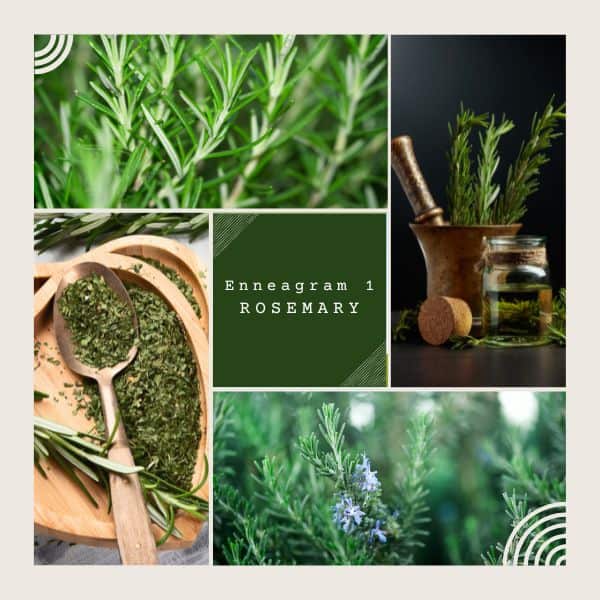
Rosemary has opinions. Straight-backed, tidy, and a little prickly to the touch, she was once woven into bridal wreaths to symbolize loyalty and fidelity—and into funeral garlands for remembrance. Shakespeare’s Ophelia said it best: “There’s rosemary, that’s for remembrance.” Even back then, she knew this herb wasn’t just seasoning; it was legacy.
Like the Type One, rosemary is all about order. She grows best in perfectly structured soil with plenty of sunlight and not too much chaos. The ancients believed she protected against evil spirits and bad dreams, which feels fitting—you’re basically on a lifelong quest to keep the world (and yourself) from falling apart.
But here’s the secret the old herbalists forgot to mention: when rosemary grows wild, unpruned and free, her scent gets stronger. The same goes for you. When you stop micromanaging every leaf, your integrity becomes richer, warmer, more human.
So yes, you’re the symbol of remembrance and virtue, a plant that thrives on both discipline and light. Just remember to let yourself grow a little wild sometimes. Even perfection tastes better with a hint of freedom.
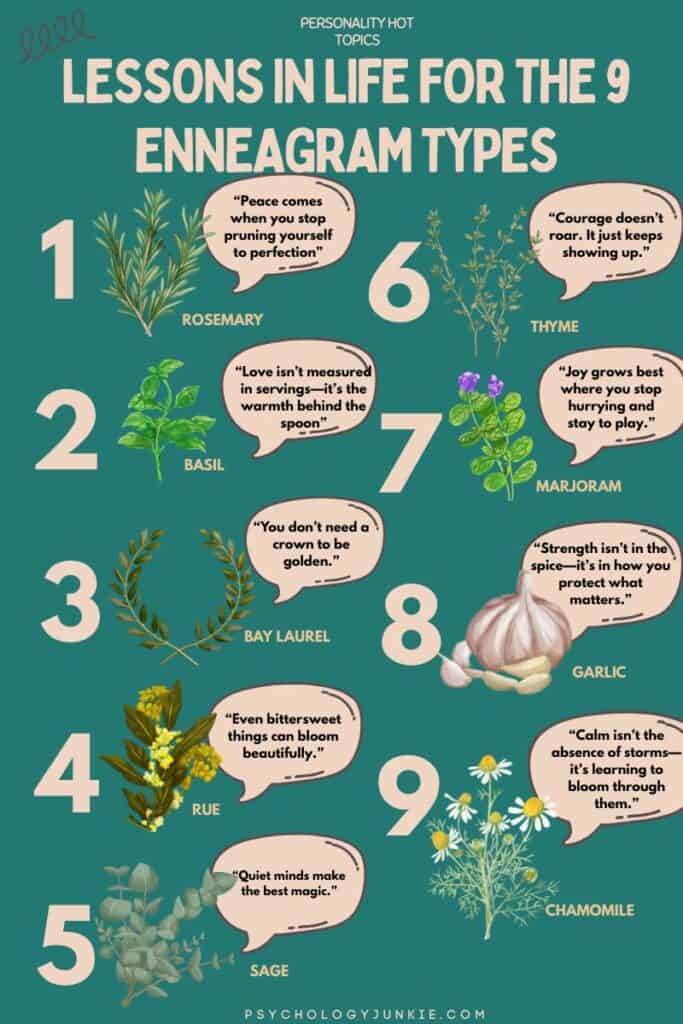
Type Two – Basil
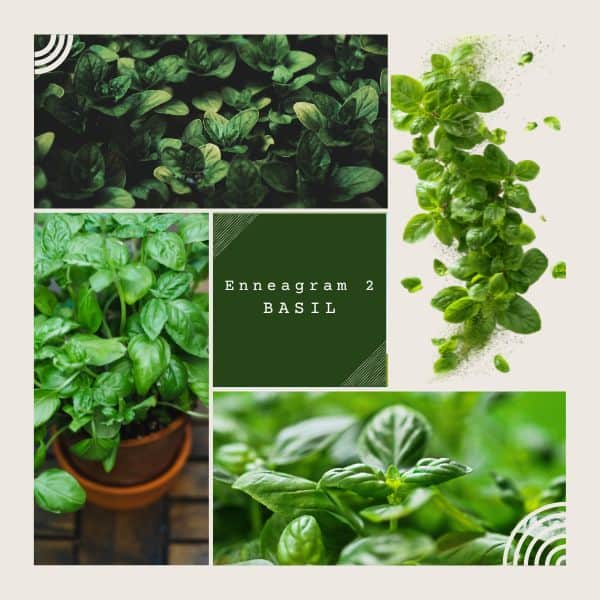
Basil is the herb that loves you back. Warm, fragrant, and slightly dramatic, it’s been called “the herb of love” since ancient times. In Italy, a pot of basil on the windowsill meant someone in the house was ready to fall in love. In Greece, it symbolized fertility and protection. And in India, holy basil—tulsi—is sacred, believed to bring blessings to the home and to purify the heart.
If rosemary is the perfectionist aunt keeping everyone in line, basil is the friend who shows up with soup, a blanket, and unsolicited advice about your love life. You can’t help it! You’re at your best when you’re nurturing others. Your happiness blooms in someone else’s smile. But even basil, with all its sweetness, can wilt when it gives too much away. Leave it unwatered—or worse, overpicked—and it droops fast.
Symbolically, basil represents love and good wishes, but also courage. Because love, real love, isn’t just feeding others; it’s knowing when to feed yourself. It’s setting down the ladle and saying, “I matter too.”
So you’re the herb that makes everything better but secretly needs sunlight and rest as much as anyone else. You’re love in plant form, but remember: even basil grows stronger when it has room to breathe.
Type Three – Bay Laurel
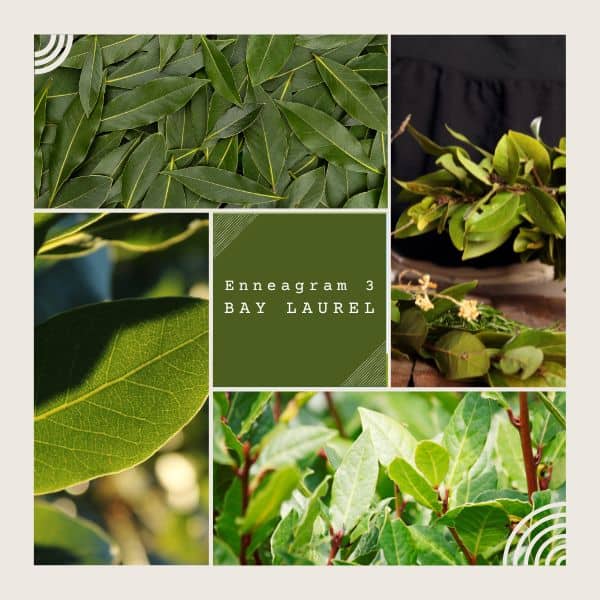
If the Enneagram were ancient Rome, you’d be the one wearing the laurel crown. Bay laurel has symbolized victory and achievement for thousands of years—crowning emperors, poets, and anyone who managed to do something history deemed “important.” You and bay have a lot in common: both radiate success, both can thrive in the spotlight, and both have a stubborn streak that says, “Watch me do it better.”
But bay isn’t all ego and triumph. In Greek myth, it was born from grief. When the nymph Daphne fled Apollo’s obsessive love, she transformed into a laurel tree to save herself. So yes, bay symbolizes glory, but also sacrifice. Achievement often grows from the parts of ourselves we’ve had to shed to survive.
When you chase greatness, remember the tree beneath the crown. Bay leaves were also used for purification and protection: they cleared bad energy, warded off sickness, made people brave enough to keep trying. That’s you at your healthiest: not performing for approval, but inspiring others through your sheer drive to grow.
So wear your metaphorical crown if you want to, but remember, the true victory is resting in your worth when no one’s watching.
Type Four – Rue

If herbs had personalities, Rue would be the melancholy witch-poet standing in the corner: half healing balm, half warning label. Its very name means regret, but it’s also called “Herb of Grace,” which is honestly the most Four thing imaginable: beauty and pain tangled together like ivy around a gravestone.
In folklore, Rue was sacred and dangerous all at once. The Romans used it for protection, purification, and—if Pliny the Elder is to be believed—pretty much every ailment under the sun. Witches used it for exorcisms, hex-breaking, and psychic clarity. In Italy, people still wear silver charms shaped like Rue to ward off the Evil Eye.
That’s you, Type Four. You feel everything with intensity—joy, grief, love, shame—and you know that beauty always has an ache to it. You can be both melancholy and healing, both pure and deeply aware of life’s dark side. Rue thrives in rocky, unforgiving soil, surviving where softer plants would fade. You do too.
Symbolically, Rue speaks of repentance, protection, and creative fire. In alchemy, it’s linked to Mars and the element of Fire—courage, passion, transformation through pain. It’s an herb that says, “Yes, the world can wound you, but it can also make you holy.”
Most Fours I know face the pain, darkness, and struggle of life, all while sensing the beauty, potential, and joy in the pain at the same time. They can be both grief-stricken and in wonder of the human experience simultaneously. That’s why I picked Rue for you. You’re the artist who turns pain into power, the soul who refuses to be ordinary. You heal others just by showing them what it looks like to live openly in a world that tells everyone else to numb out.
Type Five – Sage

If herbs had a library, Sage would be the one cataloging every leaf, muttering about taxonomy, and quietly judging the oregano for poor life choices. It’s the archetype of wisdom: its very name means wise one. Across cultures, it’s been burned to clear the air, steeped for clarity, and revered as a purifier of both space and spirit.
Ancient Romans believed sage could grant immortality. The Greeks prescribed it for memory and understanding. Native American traditions used it to drive out evil spirits and stagnant energy. This herb has always been about discernment: knowing what stays, what goes, and what must be understood before peace can return.
That’s the Type Five way: gathering information like a monk gathering light. You seek understanding and clarity. The problem is, too much sage smoke can choke the air. The same knowledge that clarifies can also isolate.
At your best, sage is like you: clear, cleansing, and grounding. You see through illusions. You remind people that thinking deeply isn’t a curse, it’s a calling. Just remember: even the wisest herb works best when it’s shared, not hoarded in jars for a someday that never comes.
Type Six – Thyme

Thyme looks delicate, but don’t be fooled—it’s the herb of courage. Ancient soldiers wore sprigs of thyme into battle, believing it would fill them with valor. Roman baths were infused with its scent to restore strength. In the Middle Ages, ladies embroidered thyme on scarves for their knights. This little plant has been whispering, “You can do this,” for centuries.
You, dear Type Six, are thyme in human form: steady, supportive, and stronger than you realize. You thrive in clusters, close to others, and you can grow just about anywhere once you’ve put down roots.
But thyme also carries a bittersweet note. It’s linked to faith and perseverance, but also to anxiety: the fear that courage might not be enough. When you second-guess yourself, remember: no warrior ever felt fearless. They just kept moving anyway.
In folklore, thyme was said to attract fairies and bring protection against nightmares. You, too, have a gift for protecting others, even if it means staying up all night to make sure the metaphorical doors are locked. Just don’t forget to rest in your own courage.
You’re humble yet heroic, fragrant in crisis, a symbol of bravery woven through history. The world needs your steadfast heart. Just remember that courage isn’t the absence of fear; it’s choosing to show up with trembling hands and an open heart anyway.
Type Seven – Marjoram
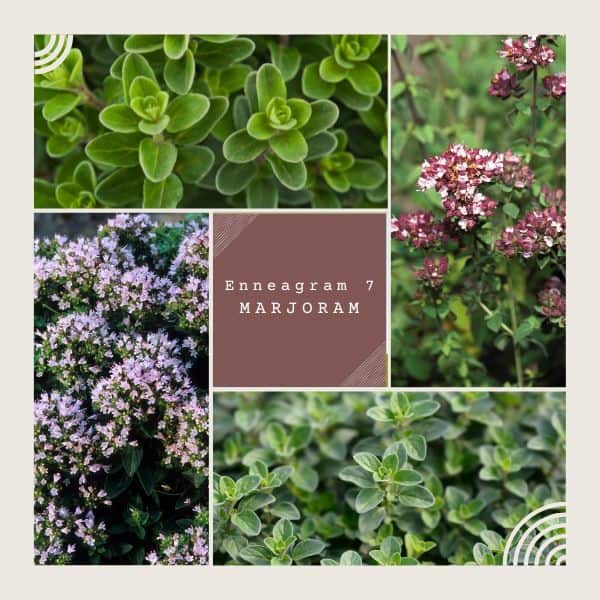
If herbs threw parties, marjoram would be the one making everyone laugh, refilling the sangria, and convincing parsley to try karaoke. It’s the herb of joy and happiness, long associated with love, laughter, and good fortune. The Greeks wove marjoram into bridal wreaths, believing it grew from Aphrodite’s touch. In old European folklore, it was planted near homes to invite love and keep sorrow away: like a leafy little optimist guarding the door.
That’s you, Type Seven: light-hearted on the surface, but with a fierce determination to keep despair from taking root. You chase experiences like sunlight, always moving, always growing, always certain that something wonderful must be just ahead. Marjoram understands this. It thrives in warmth and withers in shade. It needs space, air, and adventure.
But too much of even a good thing can lose its flavor. Marjoram reminds us that joy doesn’t always mean motion; sometimes it’s the quiet after the laughter, the sweetness that lingers when the music fades.
Symbolically, marjoram speaks of harmony, happiness, and emotional healing. Its scent has been used to lift grief, to soothe restlessness, and to call the soul back from scattered places. You, too, are a gatherer of light—but remember: even joy needs roots. You don’t have to chase every horizon to find wonder. Sometimes, the adventure is learning how to stay.
Type Eight – Garlic
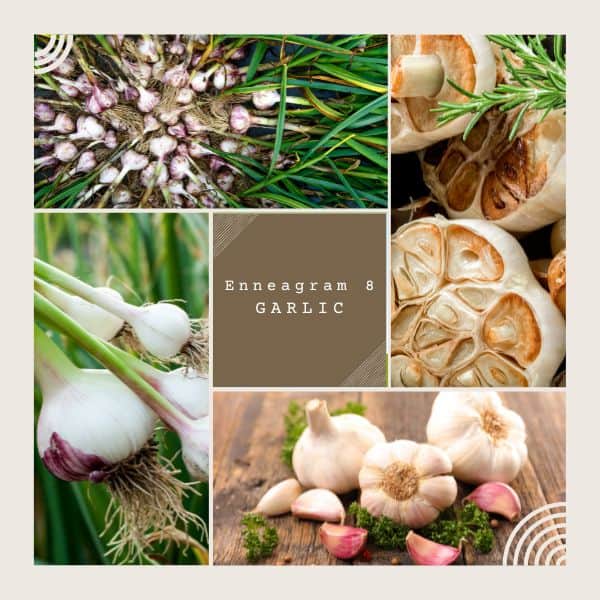
Garlic doesn’t mess around. It’s blunt, potent, and unapologetically itself—much like you. Since ancient times, it’s been the herb of strength and protection. Roman soldiers ate it before battle; Greek athletes before competition. It was hung in doorways to ward off evil, worn to repel disease, and whispered about in the same breath as witches and miracles.
Eights carry that same fiery power: life-force with an edge. You were born to confront what others tiptoe around, to slice through hypocrisy and fear like a clove crushed under the blade. Garlic is ruled by Mars—the planet of courage, drive, and righteous anger—and that’s your signature energy. You turn conflict into fuel.
But garlic also teaches restraint. Use too much, and it overwhelms everything around it. Too little, and the dish falls flat. It’s all about balance: when to assert, when to protect, when to step back and let your strength be felt rather than forced.
In folklore, garlic repelled vampires, demons, and betrayal. You, too, are a guardian by nature, using your power to defend the vulnerable (even if you pretend you’re just “being practical”). You’re the purifier, the protector, the bold flavor that keeps the darkness at bay. And while you might not hang from doorframes, you definitely keep the monsters out.
Type Nine – Chamomile

For centuries, chamomile has been the herb of comfort and peace, slipped into teas to calm anxious hearts and burned in rituals for harmony. In the language of herbs, chamomile symbolizes patience, long life, and wisdom earned through gentleness. It’s the plant version of a deep breath and a soft blanket.
That’s you, Type Nine—steady, calming, the person everyone turns to when life feels jagged and loud. You carry an aura of stillness that makes people exhale without realizing it. Like chamomile, you grow best in open fields with plenty of light, not too much interference, and time to unfurl on your own terms.
But chamomile also teaches something vital: peace isn’t the absence of conflict, it’s the quiet courage to stay centered in the middle of it. The herb’s strength is subtle; its roots run deep, and its healing compounds intensify when steeped in heat. Likewise, your calm isn’t weakness: it’s wisdom that’s been tempered by fire.
You’re the reconciler, the comforter, the peacemaker. You don’t need to shout to make the world softer. You just keep showing up with warmth, patience, and that grounded kind of magic that makes everyone believe things will be okay.
What Do You Think?
Herbs have always carried stories of love, courage, grief, protection, and healing. Each one symbolizes something ancient, and maybe a little bit of it lives in you, too.
So what do you think?
Did your herb resonate, or would you choose another to match your spirit? Maybe you’re a basil with rosemary tendencies or a sage who secretly wants to be marjoram on weekends.
Share your thoughts in the comments! I’d love to hear which herb speaks to your type (or which one you wish you were). After all, every garden tells a story, and yours might be growing just beneath the surface.