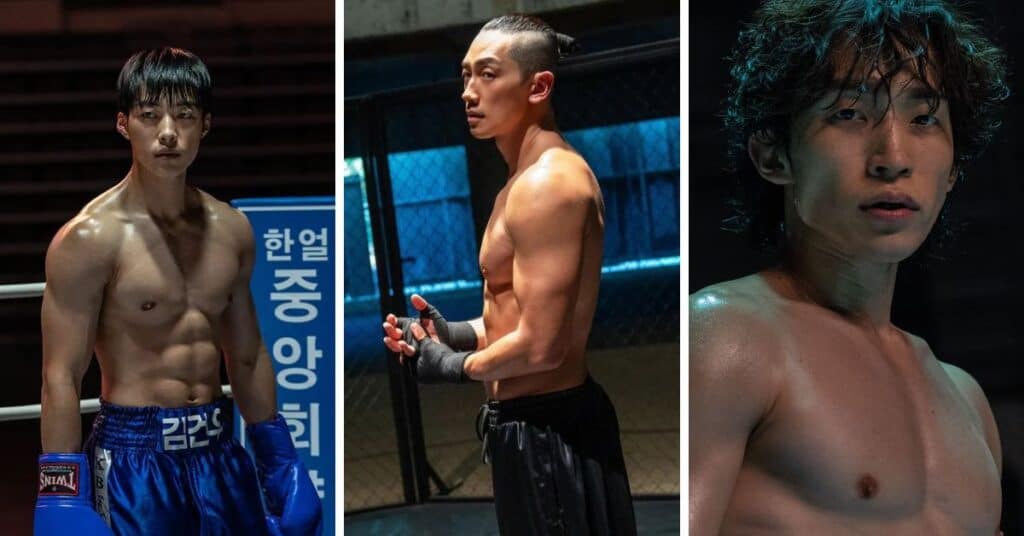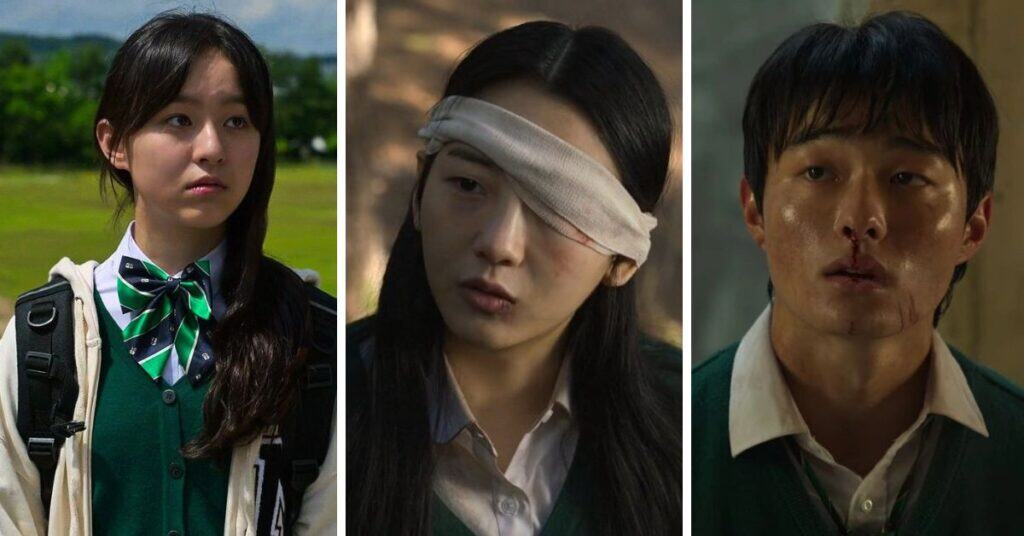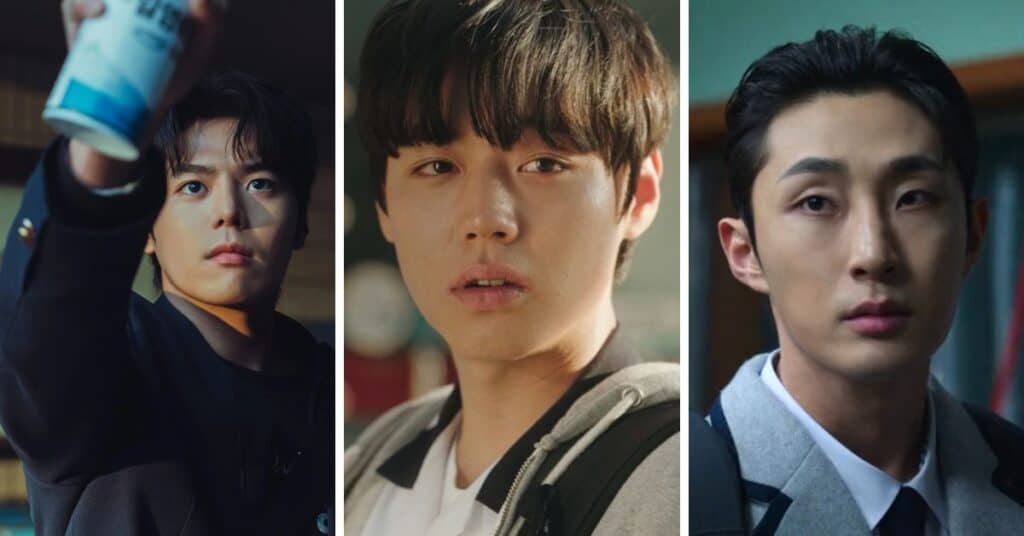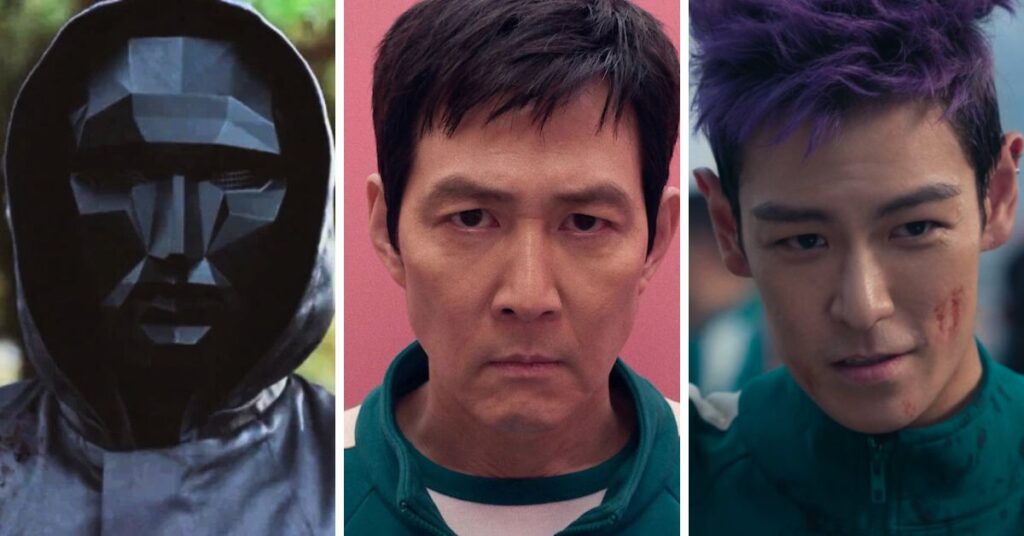
15 Amazing INTJ K-Drama Characters
If you’ve spent any time on the internet looking for INTJ characters, you’ve probably seen the same handful of names over and over again. They’re usually chess-playing masterminds with questionable social skills, a wardrobe consisting almost entirely of black, and enough emotional repression to power a small city.
K-dramas offer something much more interesting.

I got into K-Drama just over a year ago when my daughter made me watch Daily Dose of Sunshine. I had my apprehensions. I assumed it would be some kind of cheesy soap opera without a lot of depth, probably because of rumors and stereotypes I’d heard about K-Drama. But I was mistaken. Instead, I found a story that was profound and meaningful in a way that I hadn’t experienced in Western media at any point in time. Pandora’s Box had been opened, and now K-Dramas are the only shows I really feel like watching because the stories are amazing, the emotional sincerity is incredible, and the characters are often more interesting and dimensional than what I’ve seen in US shows.
So, of course, being an MBTI® practitioner, I had to profile the characters. I’m starting with INTJs because that’s my type, and because I’ve had more requests for INTJ characters than the other types. But don’t worry! Unlike the stereotypes, these INTJs aren’t all villains. There are also exhausted doctors, freedom fighters, gifted students, reluctant leaders, and people carrying impossible burdens without asking anyone for help. They all approach life differently, yet underneath those differences you can see the same mental patterns at work.
Let’s start with one of the healthiest and most overlooked expressions of the INTJ personality.
Table of contents
- The Quiet Strategists
- Song Hyo-jin (Daily Dose of Sunshine)
- Lee Eun-hyeok ( Sweet Home )
- Ga U Su (Absolute Value of Romance)
- The Visionaries
- Go Ae-shin ( Mr. Sunshine )
- Ki Seung-nyang ( Empress Ki )
- Grand Prince Yi An ( Perfect Crown )
- The Wounded Achievers
- Nam Ha-neul ( Doctor Slump )
- Na Il-deung (The Sound of Magic)
- Yang Geum-myeong (When Life Gives You Tangerines)
- The Protectors
- Tae So-yeon (Revenge of Others)
- Yeon Si-eun ( Weak Hero )
- When Vision Becomes Obsession
- Seo Moon-jo (Strangers from Hell)
- Jung Jinsu ( Hellbound )
- Choi Moo-jin ( My Name )
- Phi Hanwool ( Study Group )
- Other Articles You Might Enjoy:
The Quiet Strategists
People often imagine INTJs as loud masterminds standing over a giant wall of monitors while dramatic music plays in the background.
Most real INTJs would rather everyone stop talking for five minutes so they can think.
Quiet Strategists notice patterns quickly, organize information efficiently, and begin building solutions before everyone else has even agreed there’s a problem. While other people are reacting to what’s happening, these characters are already asking what happens next.
Their calm can sometimes look cold. Their directness can come across as blunt. But underneath that composed exterior is usually someone carrying an enormous sense of responsibility. If they seem detached, it’s often because they’re trying to solve the problem before emotions make it harder to think clearly.
Song Hyo-jin (Daily Dose of Sunshine)
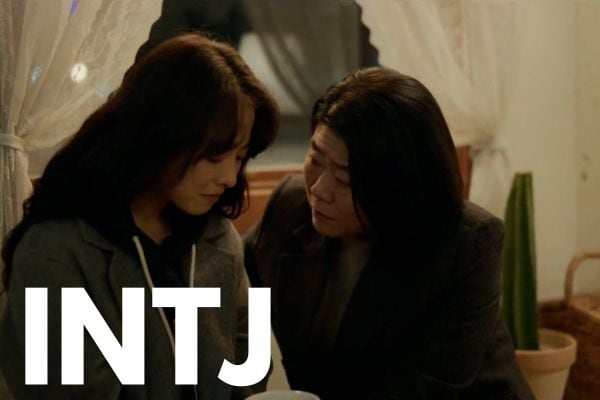
If you’re looking for proof that INTJs aren’t emotionless robots disguised as human beings, Song Hyo-jin is an excellent place to start.
As the chief nurse of the psychiatric department, she solves problems while making sure every nurse has the tools and support they need in a highly stressful environment. When a pharmacist makes excuses after a medication error, she immediately cuts through the ego battle.
“Why do I get the feeling all this talk is purely an excuse? You think you’re busy? It’s childish, trying to one-up each other. Isn’t caring for our patients a greater priority than this? If one of our patients is left unmedicated, what happens then? Are you just gonna try this joke again? Let’s try not to waste more time going forward.”
INTJs are always thinking in terms of priorities. What matches their vision? What has the best long-term outcomes? What is personally significant? What logically fits the highest priority category? She isn’t interested in assigning blame or winning an argument. She redirects everyone’s attention to the objective that actually matters.
My favorite scene, though, comes when she encourages Nurse Jung after her hospitalization for depression. Unlike many people, she doesn’t say, “Everything will be okay.”
She asks practical questions: Can you still take a pulse? Can you still start an IV? Can you still care for patients?
When the answer is yes, Hyo-jin gently eradicates the shame that has taken root.
“So what, you’re depressed? So what, you’re sick?… Don’t let someone make you feel small.”
INTJs often care more deeply than people realize. They just tend to show it by helping someone stand back up instead of crying with them on the floor.
Lee Eun-hyeok (Sweet Home)
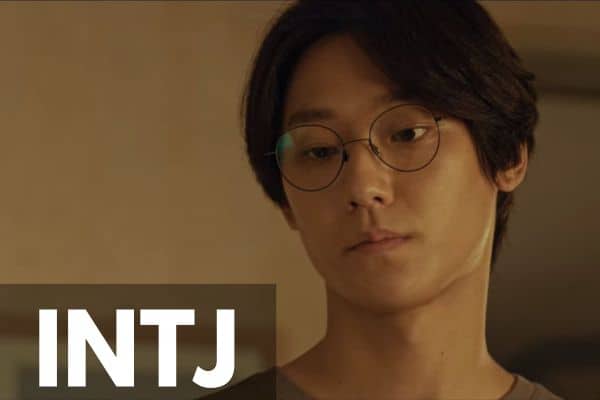
If Song Hyo-jin represents the compassionate side of the INTJ, Lee Eun-hyeok shows what happens when that same personality is dropped into an apocalypse.
While everyone around him is understandably panicking, Eun-hyeok is organizing food supplies, assigning responsibilities, and calculating the next threat. His focus rarely lingers on what shouldn’t have happened. His attention immediately shifts to, “Given that this is reality, what’s the smartest move now?” That’s typical for Ni paired with Te. Rather than becoming overwhelmed by chaos, he narrows his attention to the few variables he can still influence.
That practicality sometimes makes him appear cold. He tells the survivors that everyone has to be useful if they want to survive, and he’s willing to make decisions that others find emotionally unbearable. Yet beneath that stoicism is someone who sacrificed his own dream of becoming a doctor so his adoptive sister could pursue ballet. He isn’t detached because he lacks love. He’s detached because, in his mind, someone has to stay clear-headed while everyone else is falling apart.
Ga U Su (Absolute Value of Romance)
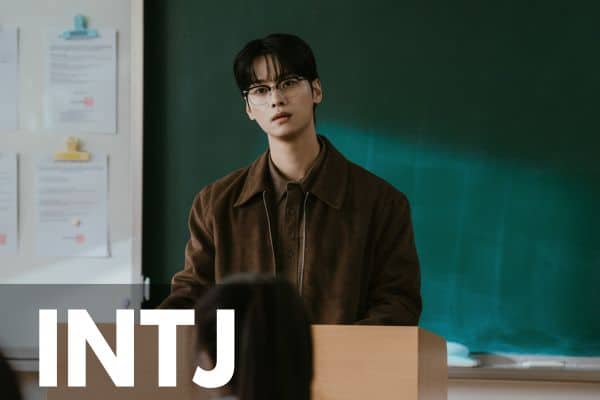
Some INTJs have an almost uncanny ability to cut through complexity. While everyone else is still exploring five different possibilities, they’ve already spotted the underlying pattern and reached a conclusion. Ga U Su is one of those people.
A Mensa member with an IQ of 156, he’s known for his brilliance as a mathematics teacher, but what makes him feel like an INTJ isn’t simply that he’s intelligent. Plenty of characters are intelligent. It’s the way he thinks. He notices patterns, looks beyond the surface, and loves a complex mental puzzle.
One of my favorite moments comes when he immediately recognizes that an isolated student isn’t simply “difficult.” He senses that something deeper is going on long before anyone else does. That’s Introverted Intuition at work, connecting dots that other people haven’t even noticed yet.
I also love this quote because it shows an unexpected side of his personality:
“I believe that things that appear irrational or illogical still deserve our time and attention. I am going to try to understand irrational numbers.”
He isn’t dismissing what doesn’t immediately make sense. He’s trying to build a framework that explains it. Healthy INTJs aren’t threatened by complexity. They’re energized by it.
The Visionaries
If the Quiet Strategists ask, “How do we solve this problem?” the Visionaries ask something much bigger.
“What kind of future are we building?”
This is Introverted Intuition at its most inspiring. These characters have a picture in their minds of what could exist, and they’re willing to sacrifice comfort, status, and sometimes even their own happiness to make that vision a reality.
Some fight for a nation. Others fight for justice. Some simply fight for the freedom to choose their own path. They may take very different roads, but each of them is driven by an internal conviction that refuses to let go of the future they’re trying to create.
Go Ae-shin (Mr. Sunshine)
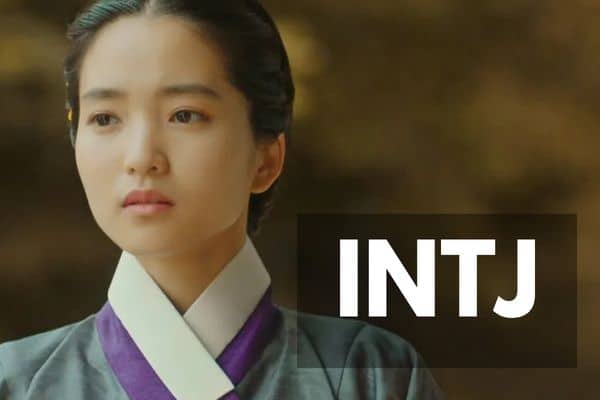
Go Ae-shin is one of my favorite examples of a healthy INTJ because she combines fierce conviction with genuine compassion. She isn’t fighting simply because she’s angry or because she’s seeking revenge. She’s fighting because she sees a future worth protecting.
Born into privilege during one of Korea’s most turbulent periods, Ae-shin could have lived a comfortable life while letting someone else shoulder the burden of resistance. Instead, she secretly trains as a sniper for the Righteous Army, risking everything for a country that is slowly slipping away. Her decisions are rarely impulsive. They come from a deeply held vision of what Korea could become if enough people are willing to sacrifice for it.
What I appreciate most about Ae-shin is that her strength never comes at the expense of her humanity. Modern media sometimes equates “strong female character” with someone who suppresses every vulnerable emotion. Ae-shin proves otherwise. She is courageous, determined, and remarkably competent, yet she also questions herself, wrestles with difficult truths, and allows love to reshape her understanding of the world. That’s a much richer picture of strength.
Her relationship with Eugene Choi also highlights something many INTJs experience. They often form opinions that feel immovable until someone presents them with a perspective they genuinely hadn’t considered. Once that happens, they aren’t afraid to rebuild their worldview from the ground up if the evidence points them there. They may be stubborn, but they’re usually stubborn in service of truth rather than pride.
Ki Seung-nyang (Empress Ki)
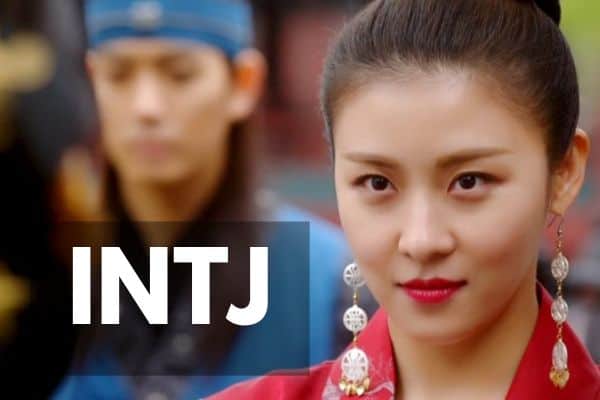
If Go Ae-shin fights with a rifle, Ki Seung-nyang fights with strategy.
When Empress Ki begins, she’s driven largely by survival and revenge. But as the story unfolds, her vision expands. She becomes someone capable of navigating one of the most dangerous political environments imaginable, learning that winning a battle is often less important than shaping what comes afterward.
This is where her Introverted Intuition really shines. Seung-nyang is almost always looking beyond the immediate conflict, asking what today’s decision will mean months or years down the road. She adapts quickly because she’s focused on the destination rather than becoming emotionally attached to any single method of getting there.
Her Extraverted Thinking is equally impressive. She learns palace politics, builds alliances, anticipates betrayals, and refuses to let herself become merely a pawn in someone else’s game. While many people respond emotionally when they’re cornered, Seung-nyang’s instinct is to gather information, reassess the board, and find another path forward.
One reason I love her as an INTJ example is that she isn’t simply “the strong woman who can fight.” Plenty of fictional characters fit that description. What makes Seung-nyang fascinating is the way her mind works. She constantly asks what outcome she’s trying to achieve and then adjusts her strategy accordingly. Her greatest weapon isn’t her sword. It’s her ability to think three political moves ahead while everyone else is still reacting to the last one.
Grand Prince Yi An (Perfect Crown)
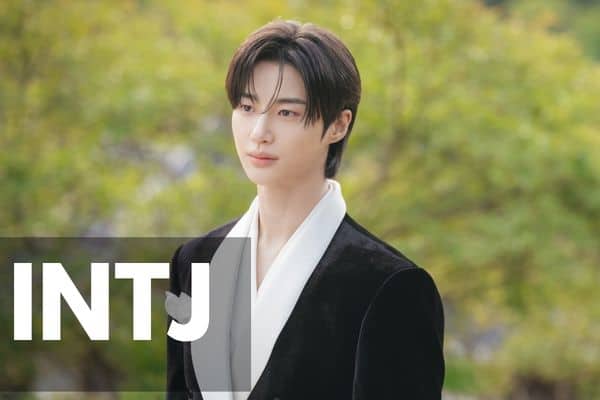
Grand Prince Yi An has all the ingredients of a stereotypical royal hero, yet what makes him interesting isn’t his title. Instead, it’s the hidden frustration simmering beneath it.
He lives inside a gilded cage. Every relationship is political. Every public appearance is scrutinized. Every future has already been planned by someone else. While many people dream about becoming royalty, Yi An spends much of the series wishing he could simply choose his own life.
That’s part of what makes his connection with Hui Ju so compelling. She sees the person hidden underneath the title, someone with ambitions, frustrations, and a sharp strategic mind that has spent years deliberately keeping itself in check.
As regent, Yi An demonstrates the classic INTJ combination of long-range vision and measured execution. He understands how easily power can corrupt, yet he also recognizes that refusing responsibility simply creates opportunities for someone less principled to take control. Rather than chasing authority for its own sake, he accepts it because he believes he can use it well.
The Wounded Achievers
INTJs are often described as ambitious, and that’s certainly true for many of them. But I don’t think ambition is really the thing driving them. Purpose is.
Many INTJs spend years chasing a goal they’ve carefully mapped out in their minds. They work while everyone else is sleeping. They delay vacations, hobbies, and sometimes even relationships because there’s always one more milestone to reach. They tell themselves they’ll rest later.
The problem is that “later” has a habit of never arriving.
These characters show what happens when an INTJ finally reaches the point where achievement alone isn’t enough. Some begin questioning the path they’ve devoted their lives to. Others discover that success without meaning feels strangely empty. And a few slowly realize that they deserve happiness even before they’ve earned every gold star the world has to offer.
Nam Ha-neul (Doctor Slump)

If you’ve ever known an INTJ who insists they’ll relax “after this project,” “after this promotion,” or “after I finally get my life together,” please gently slide Doctor Slump across the table.
Nam Ha-neul is a brilliant anesthesiologist whose identity has become almost entirely wrapped up in achievement. She pushes herself relentlessly, postponing her own happiness because there is always another task to complete and another expectation to meet. When depression and burnout finally catch up with her, her first reaction isn’t to seek help. It’s to insist she doesn’t have time to be depressed. I can relate.
Many INTJs ignore their emotions because they feel inefficient. If there is work to do, they’ll deal with the emotional fallout later. Except later eventually turns into years.
One of the most satisfying parts of Ha-neul’s journey is watching her slowly redefine success. She begins realizing that happiness isn’t something waiting at the finish line after enough suffering. It’s found in ordinary moments: eating with people you love, laughing at yourself, admitting you’re struggling, and allowing yourself to breathe without feeling guilty. That shift may sound simple, but for many INTJs it’s one of the hardest lessons they’ll ever learn.
Na Il-deung (The Sound of Magic)
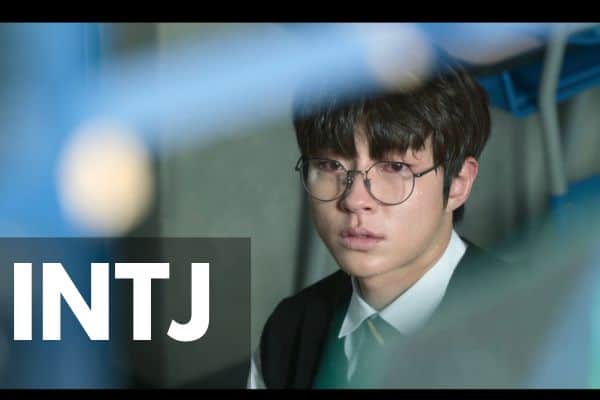
Na Il-deung is what happens when someone spends their entire life climbing a ladder before stopping to ask who leaned it against the wall.
He’s the model student. Intelligent, disciplined, dependable, and seemingly destined for success. From the outside, his future looks perfectly mapped out. On the inside, though, he’s beginning to wonder whether he’s actually choosing this life or simply following a road someone else paved for him.
One of my favorite quotes comes when he compares his life to driving down a perfectly paved highway so quickly that he can’t even see the scenery anymore. Then comes the question that completely disrupts his worldview:
“Am I driving out of my own free will?”
Introverted Intuition isn’t satisfied with external success if the destination doesn’t align with an internal vision. Eventually, many INTJs reach a point where efficiency no longer matters unless they know why they’re being efficient in the first place.
Il-deung’s fascination with the magician, Ri-eul, reveals that growing tension. Part of him still craves certainty, structure, and logical explanations. Another part longs for wonder, spontaneity, and a life that isn’t entirely dictated by expectations. Watching those two sides wrestle with each other makes him one of the more emotionally relatable INTJs on this list.
Yang Geum-myeong (When Life Gives You Tangerines)
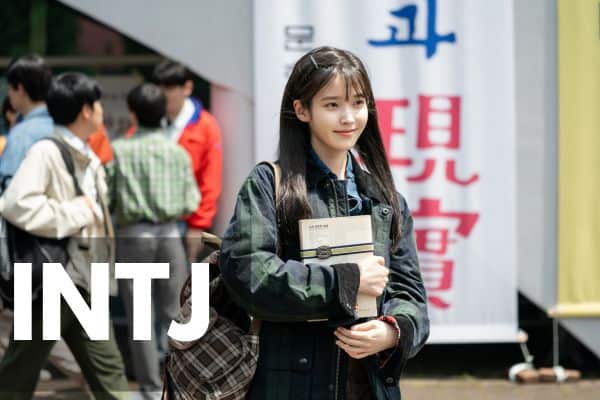
Yang Geum-myeong represents another side of the INTJ experience that I rarely see discussed: the weight of carrying other people’s sacrifices.
She’s exceptionally intelligent and works tirelessly to create opportunities for herself, eventually studying at Seoul National University and later building a successful career. Yet almost every milestone comes with an invisible emotional price tag. Her parents sacrifice enormously so she can pursue her education, even selling their beloved home so she can study abroad. That kind of sacrifice can become both a gift and a burden.
For someone with dominant Introverted Intuition, it’s almost impossible not to think about what those sacrifices mean in the long run. Success is no longer just personal. It becomes something you feel obligated to earn on behalf of everyone who believed in you.
As Geum-myeong matures, the drama beautifully explores a truth that many adults eventually discover. Parents don’t stop worrying just because their children become successful. Likewise, children often don’t fully understand the depth of their parents’ love until they begin facing loss themselves.
What I appreciate most about Geum-myeong is that she remains ambitious without becoming defined solely by achievement. She builds a meaningful career, falls in love, experiences failure, carries guilt, learns resilience, and eventually finds ways to honor her parents’ sacrifices without letting them become the only thing that defines her future. It’s a wonderfully balanced portrait of an INTJ whose greatest growth doesn’t come through becoming more successful, but through becoming more emotionally present.
The Protectors
People often assume INTJs are detached because they don’t wear their emotions on their sleeves. I think that’s one of the biggest myths about this personality type.
Most healthy INTJs care deeply. They simply don’t express that care in especially flashy ways. Rather than saying, “I’m worried about you,” they’ll spend three hours researching your symptoms. Instead of giving an emotional speech, they’ll discreetly solve the problem that’s making your life harder. Their love often shows up as protection, preparation, and unwavering loyalty.
These characters all have different personalities, but each one demonstrates the fierce protectiveness that often hides beneath the INTJ’s calm exterior.
Tae So-yeon (Revenge of Others)
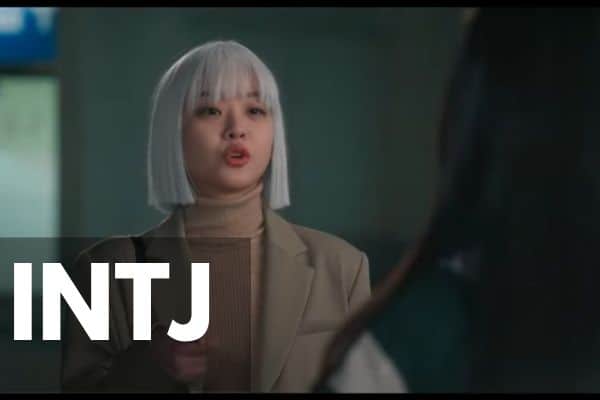
Trauma changes people. Sometimes it makes them fearful, and sometimes it makes them determined that no one else will ever go through the same thing. Tae So-yeon is one of those people who falls into the second category.
After enduring relentless bullying herself, she doesn’t simply move. Instead, she begins helping other victims, acting as a bridge between students who are suffering and the people willing to stand up for them. She doesn’t trust the system, so she’s trying to create justice where the system has repeatedly failed.
That’s one of the things I admire about healthy INTJs. Their Introverted Intuition often takes painful experiences and asks, “How do I stop this from happening again?” Their focus naturally shifts from the individual event to the larger pattern behind it.
So-yeon builds emotional walls, and rarely lets people see how much she’s carrying. Yet underneath that guarded exterior is someone with a remarkably loyal heart. She understands what victims need because she’s been there herself.
Yeon Si-eun (Weak Hero)
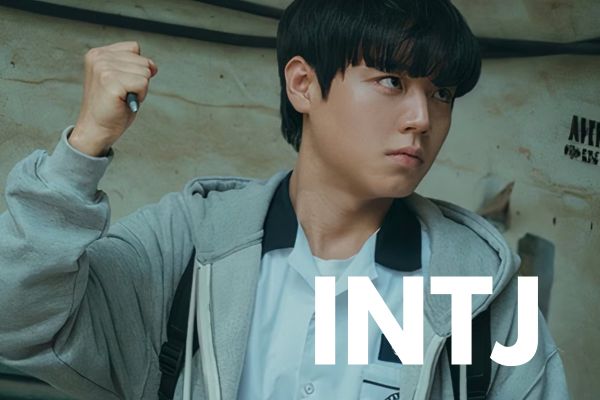
Like most INTJs, Si-eun is quiet, analytical, and difficult to read. He keeps his feelings close to the chest and rarely takes part in class rapport or heckling. His classmates underestimate him because they mistake silence for weakness. That’s a mistake they usually regret.
Watching Si-eun fight is fascinating because he almost never relies on brute strength. Every movement is calculated. He studies his opponents, notices weaknesses they don’t realize they’re exposing, and turns ordinary objects into strategic advantages. While everyone else is reacting emotionally, he’s already running simulations in his head.
That’s dominant Introverted Intuition paired with auxiliary Extraverted Thinking.
But Si-eun isn’t all brains and no heart. While he rarely tells people how much they matter to him, once someone becomes part of his inner circle, he’ll endure almost anything to protect them.
As I watched Weak Hero, I kept thinking about how often INTJs get mislabeled as emotionally detached. Si-eun isn’t detached at all. He’s carrying enormous emotions inside, but they’re packed away so tightly that they only emerge under extraordinary pressure. Yet when they finally do, the results are explosive.
Under overwhelming stress, Si-eun falls into what MBTI® practitioners call an inferior Se grip. His normally careful planning disappears, replaced by raw, reckless action. The terrifying thing is that those moments aren’t driven by hatred. They’re driven by accumulated grief, betrayal, and a desperate need to protect the people he loves.
That’s why he’s such a compelling hero. He’s not fighting to show off or gain power. He’s fighting because walking away would violate every conviction he has.
When Vision Becomes Obsession
Every personality type has a dark side.
For INTJs, that shadow often appears when their remarkable ability to recognize patterns becomes untethered from empathy. Instead of asking, “What’s true?” they begin asking, “How do I make reality fit my vision?”
Healthy Introverted Intuition remains curious. It adjusts when new evidence appears. Unhealthy Introverted Intuition becomes convinced it has already discovered the answer. Everything else simply becomes supporting evidence.
That’s what makes these characters so fascinating.
They’re intelligent. Strategic. Often charismatic.
But somewhere along the way, their vision stopped serving humanity and started serving themselves.
Seo Moon-jo (Strangers from Hell)
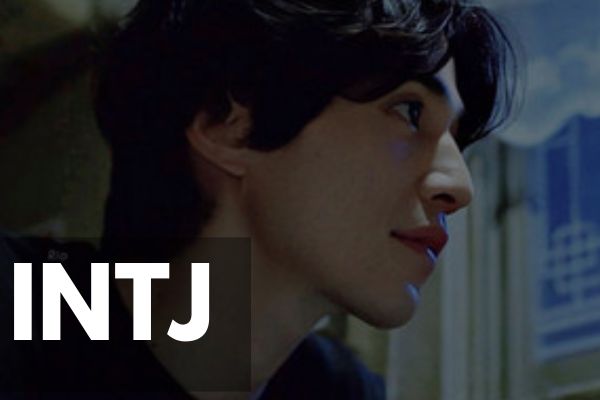
Seo Moon-jo is one of the most unsettling villains I’ve ever watched in a K-drama, largely because he almost never loses control. He doesn’t explode with rage. He doesn’t lash out impulsively. He studies people.
As a dentist, he presents himself as calm, gentle, and trustworthy. Most people leave their interactions thinking he’s respectable and kind. Behind that carefully maintained mask, though, he’s carefully observing everyone around him, looking for weaknesses, loneliness, insecurity, and unmet desires. He believes he has an insight into the more evil, insidious desires of the human heart.
“You are my greatest masterpiece. Show them who you are.”
Moon-jo becomes obsessed with the idea that every human being is secretly violent and that society merely forces people to hide their true nature. Rather than questioning that belief, he spends the series trying to prove it by turning others into reflections of himself.
Instead of allowing reality to challenge his worldview, he carefully engineers situations that confirm what he already believes. Every person becomes another experiment designed to validate his private theory about humanity.
Jung Jinsu (Hellbound)
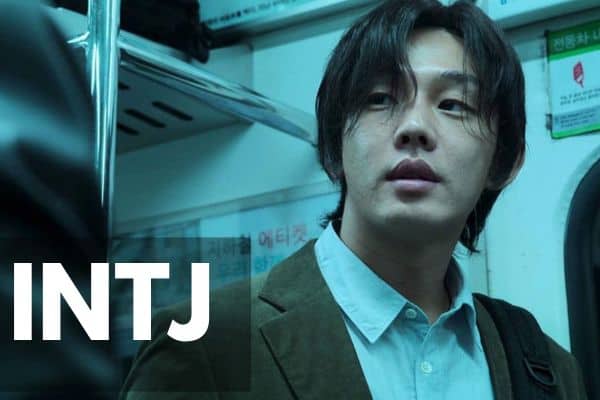
Jung Jinsu is another fascinating example of an unhealthy INTJ because his vision extends far beyond individual people. He wants to reshape society itself.
As the charismatic leader of the New Truth Church, he takes an unexplained supernatural phenomenon and immediately constructs an entire worldview around it. Every prophecy, every tragedy, every public execution becomes proof that humanity must submit to his interpretation of reality.
That’s one of the strengths and dangers of Introverted Intuition. Ni naturally wants a single framework that explains everything. Healthy INTJs hold those frameworks loosely enough to revise them when the evidence changes, but Jinsu does the opposite. For him, the framework becomes sacred and anyone questioning it becomes an enemy.
What makes him especially compelling is his calm certainty. He rarely needs to shout because he genuinely believes history is unfolding exactly as it should. That quiet confidence draws people toward him, even when his conclusions become increasingly destructive.
Watching Hellbound, I couldn’t help thinking about how easily certainty can become seductive. Human beings desperately want simple explanations for complicated problems. Jinsu offers exactly that. Unfortunately, simple answers are often the most dangerous ones.
Choi Moo-jin (My Name)
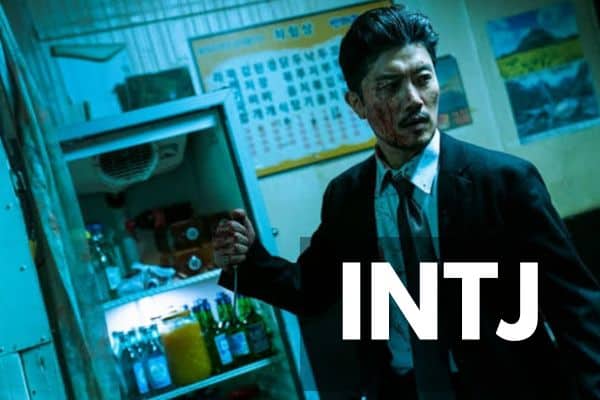
Choi Moo-jin sees the world as a collection of predators and prey.
“There are many kinds of people in this world… but if you take a closer look, there are only two categories. The predator and the prey.”
It’s a brutally simple philosophy, and that’s exactly why it works so well for him.
Every decision, relationship, and betrayal is filtered through that single lens. Once he accepts that worldview, manipulating people becomes logical, trust becomes transactional, and compassion becomes a weakness to exploit rather than a strength to admire.
Yet I found myself really liking Moo-jin many times throughout My Name. That surprised me and unsettled me. He genuinely values trust within his organization and appears to care about many of the people who work under him. The tragedy is that those qualities exist alongside extraordinary manipulation. He trains Ji-woo, protects her, earns her trust, and simultaneously builds an elaborate lie that turns her into another piece on his chessboard. That’s why I hesitate whenever people reduce villains to “psychopaths.” Moo-jin feels much more human than that. He’s a man whose worldview slowly became so narrow that every moral compromise started looking reasonable.
Phi Hanwool (Study Group)

Phi Hanwool initially seems like another brilliant school bully, but then you realize he’s operating several levels above almost everyone around him.
Hanwool doesn’t rely on intimidation alone. He builds systems, creates hierarchies, and predicts how people will respond before they make their decisions. Even his fighting style reflects this preference for strategy over brute force, relying on anticipation and careful planning rather than raw aggression.
His upbringing explains much of that obsession with control. Growing up under the shadow of a powerful but emotionally distant father, Hanwool develops an overwhelming desire to establish his own authority rather than remain trapped inside someone else’s legacy.
Yet what keeps him from becoming a one-dimensional villain is the glimpse we get beneath the armor. In this case, his younger sister.
For all his cruelty, manipulation, and ambition, Hanwool has people he genuinely loves. Those moments remind us that personality type never determines whether someone becomes compassionate or destructive. Character is shaped by far more than cognitive functions.
That’s probably the biggest takeaway from every character on this list.
Introverted Intuition is an incredibly powerful way of seeing the world. It can produce visionary leaders, compassionate doctors, devoted friends, brilliant scholars, revolutionary heroes… and frighteningly convincing villains.
The function itself isn’t good or evil.
It simply magnifies whatever values are already guiding the person who uses it.
What Do You Think?
Did your favorite INTJ K-drama character make the list? Are there any characters you think I mistyped, or someone you think absolutely deserves a spot in a future update?
Let me know in the comments! I’d love to hear which K-drama personalities you’d like me to analyze next.